
Carole Falletta
Co-Founder at - Momentum Health NetworkCarole Falletta, MS, MA, PMHNP-BC, FNP-BC, RNC-EFM, IBCLC, LCCE Carole is a nurse practitioner with over 30 years of experience in nursing, specializing in women's health, newborn care, and reproductive and postpartum mental health. Actively practicing in healthcare, she supports women and families during the perinatal journey through compassionate, evidence-based care. A dual board-certified nurse practitioner in psychiatric and family health, Carole is also an International Board-Certified Lactation Consultant (IBCLC) and Lamaze Certified Childbirth Educator, combining her clinical expertise and passion for education to empower mothers and support babies.
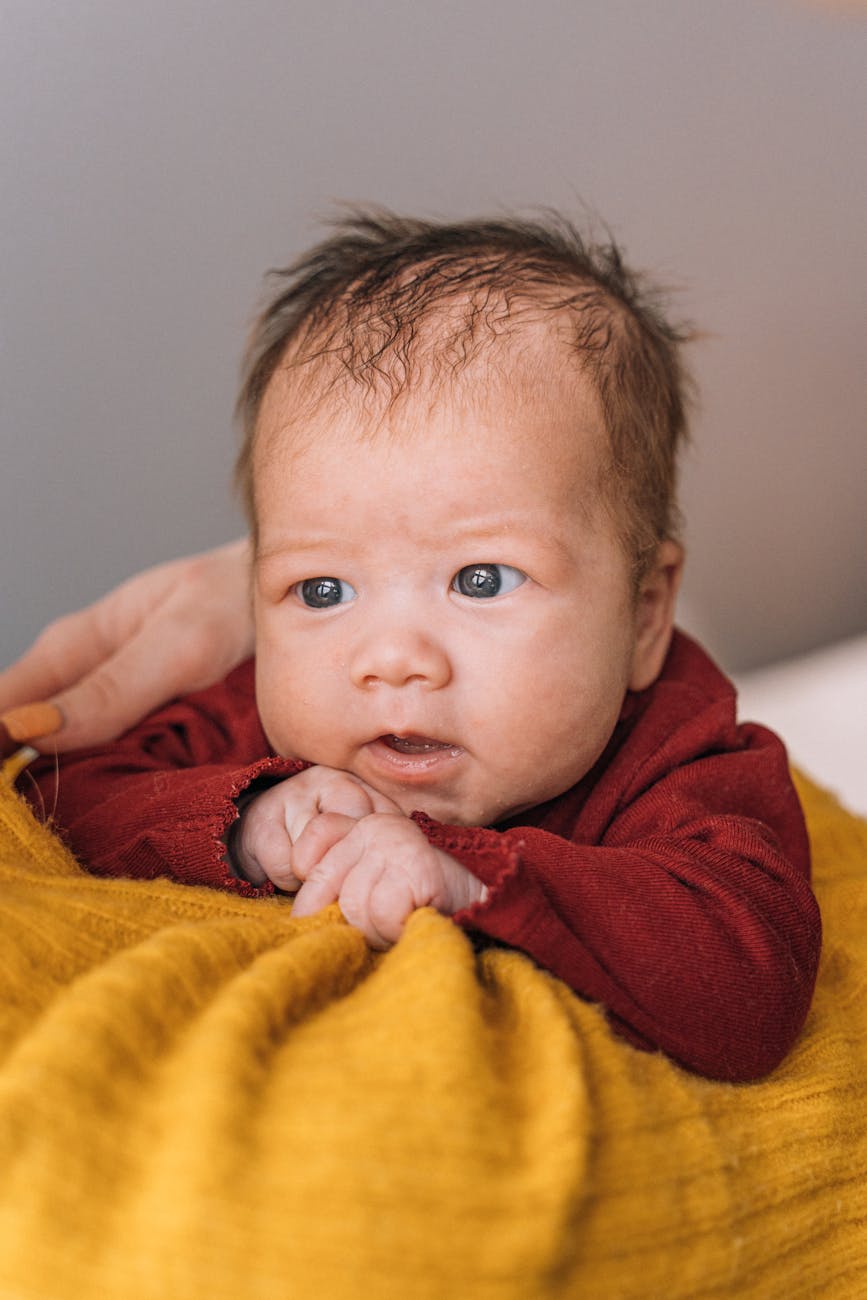
If you’ve ever run your fingers through your baby’s soft little hair and noticed dry flakes or bald patches, you’re not alone. Many parents worry when their baby’s scalp looks flaky or their hair seems to thin out—but take a deep breath. In most cases, it’s totally normal.
Let’s talk through what to expect, what’s worth watching, and how to care for that tiny head with confidence.
Why Is My Baby’s Scalp Flaky?
In the early weeks and months, it’s common to notice dry skin or flakes on your baby’s scalp. Often, this is due to a common condition called cradle cap (infant seborrheic dermatitis), which causes yellowish or white flaky patches that may look a little oily or scaly.
It’s not dangerous, not itchy for your baby, and not caused by poor hygiene. It’s just your baby’s skin adjusting to life outside the womb—those tiny oil glands are learning how to work!
Other times, flakes might simply be dry skin from bathing too frequently or from low humidity—especially in colder months.
Is My Baby Losing Hair? Is That Normal?
Yes, and yes. Most newborns experience some degree of hair loss in the first few months. This is called telogen effluvium—a natural shedding phase triggered by birth, hormones, and changes in sleep and feeding patterns.
Your baby may lose hair on the back of the head from friction (hello, lots of laying down), or you might notice it coming out gradually during baths or while brushing. Some babies are even born bald and grow hair later at their own pace.
It may take several months before you see your baby’s “real” hair come in, and that new hair might look completely different from what they were born with!
How Can I Care for My Baby’s Hair and Scalp?


Gentle is best when it comes to baby hair and scalp care. Here are a few tips:
- Wash with a mild baby shampoo 2–3 times per week. More frequent washing can dry out their skin.
- Massage the scalp gently during bath time using your fingertips or a soft baby brush to loosen flakes.
- Use a fragrance-free baby lotion or baby-safe oil (like coconut or mineral oil) after bath time if the scalp looks dry.
- For cradle cap, try applying oil before bath time, letting it sit for 10–15 minutes, then gently brushing and shampooing to rinse off flakes.
When Should You Check In with the Pediatrician?
Most flaky patches and baby hair changes are totally normal and clear up on their own. But contact your pediatrician if:
- The skin looks red, swollen, or irritated
- You notice oozing, bleeding, or signs of infection
- The flakiness spreads to the face, neck, or body and doesn’t improve
- Hair loss appears in circular patches
These could be signs of another condition that may need treatment.
The Bottom Line
Flaky baby scalps and wispy hairlines are all part of the newborn experience. Whether your baby is born with a full head of curls or just a soft fuzz, their hair (and skin) will go through lots of changes in the first year.
So don’t stress over flakes or fallen strands—your baby is growing, adapting, and thriving. With a little gentle care and lots of love, they’ll shine just as they are.

Carole Falletta, MS, MA, PMHNP-BC, FNP-BC, RNC-EFM, IBCLC, LCCE Carole is a nurse practitioner with over 30 years of experience in nursing, specializing in women's health, newborn care, and reproductive and postpartum mental health. Actively practicing in healthcare, she supports women and families during the perinatal journey through compassionate, evidence-based care. A dual board-certified nurse practitioner in psychiatric and family health, Carole is also an International Board-Certified Lactation Consultant (IBCLC) and Lamaze Certified Childbirth Educator, combining her clinical expertise and passion for education to empower mothers and support babies.