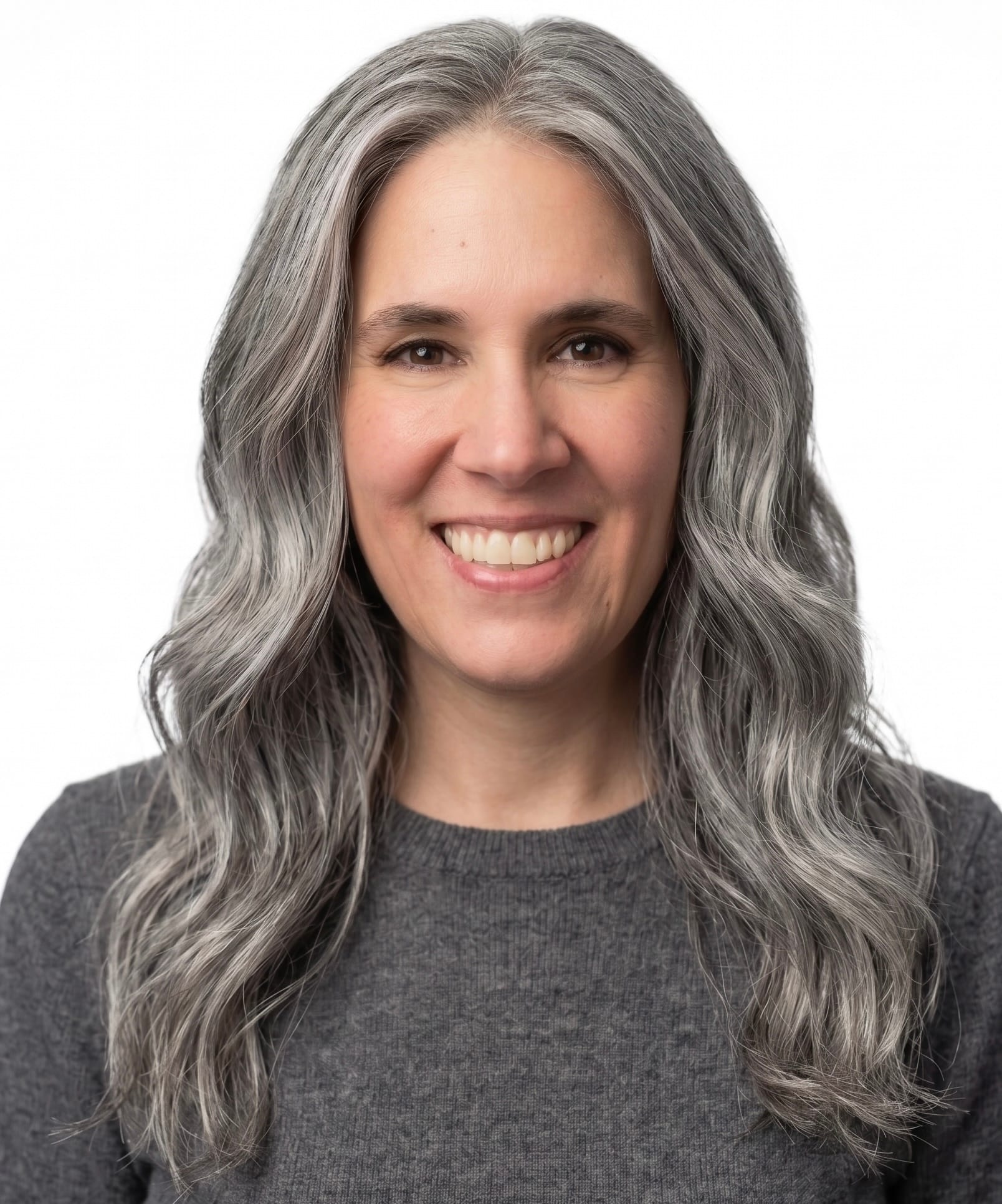


Carole Falletta
Co-Founder at - Momentum Health NetworkCarole Falletta, MS, MA, PMHNP-BC, FNP-BC, RNC-EFM, IBCLC, LCCE Carole is a nurse practitioner with over 30 years of experience in nursing, specializing in women's health, newborn care, and reproductive and postpartum mental health. Actively practicing in healthcare, she supports women and families during the perinatal journey through compassionate, evidence-based care. A dual board-certified nurse practitioner in psychiatric and family health, Carole is also an International Board-Certified Lactation Consultant (IBCLC) and Lamaze Certified Childbirth Educator, combining her clinical expertise and passion for education to empower mothers and support babies.
As a maternal health educator, I’ve walked beside many families during one of the most exciting and vulnerable times of their lives. One question I hear often is:
“Is there anything I can do to prevent passing a serious inherited condition to my baby?”
It’s a question asked with love, not fear. Parents today are informed, curious, and hopeful. They’re thinking ahead—about cystic fibrosis, sickle cell disease, fragile X syndrome, and hereditary heart conditions that may run in their families. Their goal isn’t control. It’s care.
Genetic Screening and Carrier Testing
Genetic carrier screening helps find out whether you or your partner carry a gene for a serious inherited condition—even if you show no symptoms. If both partners are carriers for the same condition, there’s a higher chance the baby could be affected.
Modern tools include:
- Preimplantation genetic testing (PGT) with IVF
- Prenatal genetic screening during early pregnancy
- Expanded carrier screening before conception
These options allow families to prepare emotionally and medically—or explore paths like IVF with PGT, donor sperm or eggs, or adoption.
For Many Families, It’s About Compassion, Preparedness, and Love
Exploring genetic testing is a personal decision that often comes from a place of care and intention. For some families, these tools feel empowering. For others, they raise complex personal, emotional, or ethical questions.
There’s no single right approach. What matters most is that families feel supported, informed, and respected in whatever path they choose
Will Insurance Cover Genetic Testing?
In some cases, yes. If you have known risk factors—such as Ashkenazi Jewish ancestry, African heritage, or a family history—insurance may cover testing. IVF with PGT, however, is usually more expensive and not always covered unless there’s a medical indication.
What Happens After Baby Is Born?
Even if you took steps before or during pregnancy, many families want extra reassurance. That’s where newborn screening comes in.
In the U.S. and many other countries, a few drops of blood are collected from your baby’s heel to screen for dozens of serious medical conditions. These include metabolic, endocrine, blood, and immune disorders—many of which are treatable if caught early.
In some cases, if you’ve already worked with a geneticist, they may recommend extra testing after birth to confirm that a condition is not present or to begin care early if needed.
Final Thoughts: Holding Hope and Complexity
It’s okay to feel hopeful and anxious. You might feel excited about becoming a parent—and still worry about what you could pass on. That’s normal.
Modern science offers tools. But your values, your story, and your love are what truly guide your choices.
If you’re considering genetic testing, talk with a trusted provider or genetic counselor. Ask your questions. Learn your options. And take it one step at a time.
This is your journey—and you’re not alone in it.

Carole Falletta, MS, MA, PMHNP-BC, FNP-BC, RNC-EFM, IBCLC, LCCE Carole is a nurse practitioner with over 30 years of experience in nursing, specializing in women's health, newborn care, and reproductive and postpartum mental health. Actively practicing in healthcare, she supports women and families during the perinatal journey through compassionate, evidence-based care. A dual board-certified nurse practitioner in psychiatric and family health, Carole is also an International Board-Certified Lactation Consultant (IBCLC) and Lamaze Certified Childbirth Educator, combining her clinical expertise and passion for education to empower mothers and support babies.