

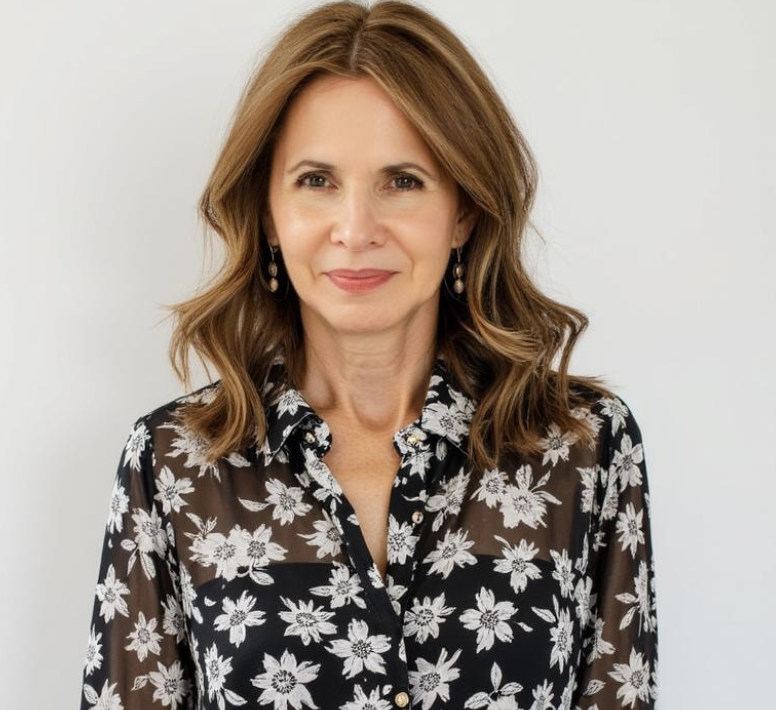
Carole Falletta
Co-Founder at - Momentum Health NetworkCarole Falletta, MS, MA, PMHNP-BC, FNP-BC, RNC-EFM, IBCLC, LCCE Carole is a nurse practitioner with over 30 years of experience in nursing, specializing in women's health, newborn care, and reproductive and postpartum mental health. Actively practicing in healthcare, she supports women and families during the perinatal journey through compassionate, evidence-based care. A dual board-certified nurse practitioner in psychiatric and family health, Carole is also an International Board-Certified Lactation Consultant (IBCLC) and Lamaze Certified Childbirth Educator, combining her clinical expertise and passion for education to empower mothers and support babies.
When it comes to childbirth, everyone has a story to tell. Your best friend’s water broke in a dramatic splash in the grocery store. Your cousin swears by her hypnobirthing playlist. Your mom? She still talks about her 26-hour labor and “how things were different back then.”
But here’s something you may not realize: long before you step into a hospital, birth center, or plan your home birth… society has already shaped how you think your birth will go.
We Absorb Birth Stories Early—Sometimes Without Realizing It
Whether from movies, TV shows, or whispered stories at baby showers, most of us carry deep-seated beliefs about what labor is supposed to be like. Screaming in pain, rushed to the hospital, chaos. These scenes aren’t neutral—they stick. They teach us to expect drama, fear, or feeling out of control.
Culture and Generational Influences Matter, Too
Some cultures celebrate birth with food, music, and community. Others treat it as a quiet, medical event. Your grandmother may tell you, “Just go with the flow,” while your peers talk about water births, doulas, or epidurals.
Understanding where your beliefs come from lets you choose which to keep—and which to reframe.
You Are Not Just a Patient—You’re the Decision-Maker
One big myth: that childbirth is something that happens to you. That you’ll “do what the doctor says” and hope for the best. But modern maternity care is shifting. You can ask questions. You can be part of decisions. And you should feel heard.
Even Social Media Has a Hand in It
TikTok birth videos, Instagram birth stories—some are raw and real, others heavily edited. But almost none show the quiet strength, the deep breaths, the slow unfolding of real labor. They often leave out the realness of birth.
And yet, they shape our expectations too.
So What Can You Do About It?
- Reflect: What stories have shaped your views about birth?
- Learn: Take a solid childbirth class. Read, ask, explore.
- Ask Questions: Find a provider who respects your voice.
- Speak Up: Talk about your hopes and fears with people you trust.
Final Thought: You Can’t Control Birth—But You Can Control What You Bring to It
Birth isn’t just about your cervix. It’s about your mindset, your support, and your sense of ownership.
You can unlearn fear. You can rewrite old stories. And you can walk into your birth knowing: This is yours.

Carole Falletta, MS, MA, PMHNP-BC, FNP-BC, RNC-EFM, IBCLC, LCCE Carole is a nurse practitioner with over 30 years of experience in nursing, specializing in women's health, newborn care, and reproductive and postpartum mental health. Actively practicing in healthcare, she supports women and families during the perinatal journey through compassionate, evidence-based care. A dual board-certified nurse practitioner in psychiatric and family health, Carole is also an International Board-Certified Lactation Consultant (IBCLC) and Lamaze Certified Childbirth Educator, combining her clinical expertise and passion for education to empower mothers and support babies.