


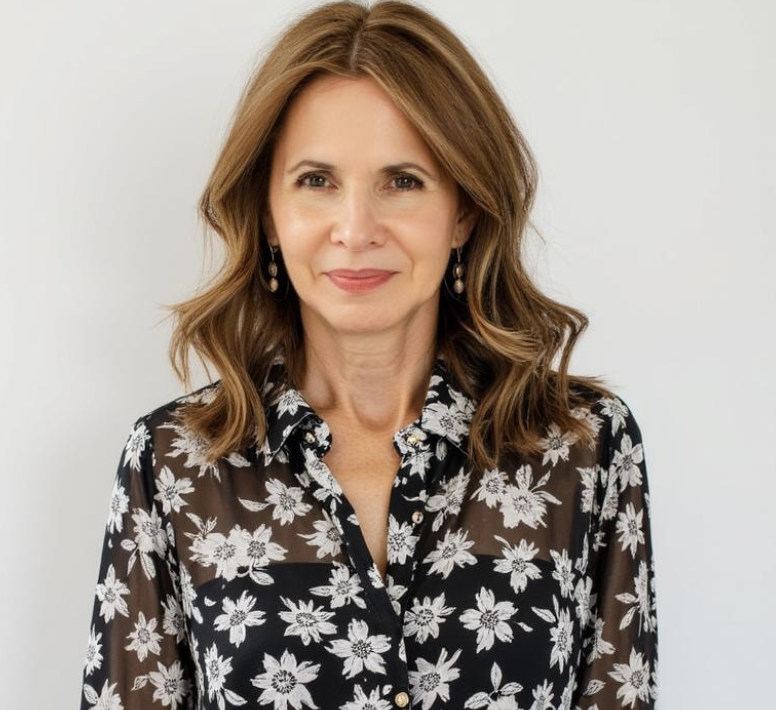
Carole Falletta
Co-Founder at - Momentum Health NetworkCarole Falletta, MS, MA, PMHNP-BC, FNP-BC, RNC-EFM, IBCLC, LCCE Carole is a nurse practitioner with over 30 years of experience in nursing, specializing in women's health, newborn care, and reproductive and postpartum mental health. Actively practicing in healthcare, she supports women and families during the perinatal journey through compassionate, evidence-based care. A dual board-certified nurse practitioner in psychiatric and family health, Carole is also an International Board-Certified Lactation Consultant (IBCLC) and Lamaze Certified Childbirth Educator, combining her clinical expertise and passion for education to empower mothers and support babies.
I witness this every single day — mothers sitting in the thick of it all.
Overwhelmed by the newness.
Unsure if what they’re doing is “right.”
Desperate to give their baby the very best.
They’re learning how to decode newborn cries, how to function on broken sleep, how to feed a baby who won’t latch or won’t take a bottle, how to recover from childbirth — and still somehow show up again and again.
These moments are full of decisions.
– What pump should I get?
– Should I be pumping at all?
– Is this the right bottle?
– Should I keep breastfeeding?
– If I need to give formula, which one is best?
These don’t feel like small choices — they feel like parent-defining choices.
And when everyone around you (from family, to Google, to strangers online) has an opinion, it’s easy to start questioning yourself at every turn.
Why It’s So Much
There’s no shortage of information out there. Articles, videos, blogs, unsolicited advice — it all piles up. Even trusted professionals don’t always agree.
And the pressure to “get it right” can weigh heavily on a mother who is physically healing, emotionally shifting, and sleep-deprived.
If there’s a history of anxiety, depression, trauma, or perfectionism, that pressure can feel even more intense. But even without those histories, the mental load of mothering in today’s world is enormous.
What Can Help
There’s no one-size-fits-all solution, but certain kinds of support consistently make a difference:
– Listening without judgment
– Normalizing how hard this phase can feel
– Offering guidance without pressure
– Allowing space for mothers to trust their own voice
It’s not about solving everything — it’s about helping mothers feel seen, heard, and supported as they navigate their own path forward.
A Soft Reminder for Today
If your brain feels foggy and full…
If your emotions feel close to the surface…
If the weight of decisions feels heavier than you expected…
That doesn’t mean you’re doing it wrong. It means you care deeply. It means you’re human.
You’re learning as you go, and your baby isn’t looking for perfect — they’re just looking for you.

Carole Falletta, MS, MA, PMHNP-BC, FNP-BC, RNC-EFM, IBCLC, LCCE Carole is a nurse practitioner with over 30 years of experience in nursing, specializing in women's health, newborn care, and reproductive and postpartum mental health. Actively practicing in healthcare, she supports women and families during the perinatal journey through compassionate, evidence-based care. A dual board-certified nurse practitioner in psychiatric and family health, Carole is also an International Board-Certified Lactation Consultant (IBCLC) and Lamaze Certified Childbirth Educator, combining her clinical expertise and passion for education to empower mothers and support babies.