

Carole Falletta
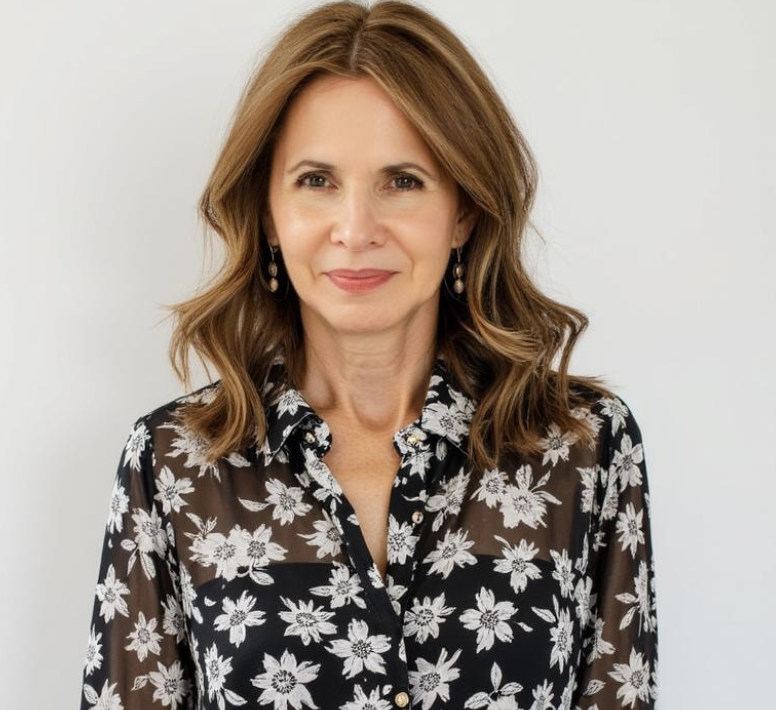
Co-Founder at - Momentum Health NetworkCarole Falletta, MS, MA, PMHNP-BC, FNP-BC, RNC-EFM, IBCLC, LCCE Carole is a nurse practitioner with over 30 years of experience in nursing, specializing in women's health, newborn care, and reproductive and postpartum mental health. Actively practicing in healthcare, she supports women and families during the perinatal journey through compassionate, evidence-based care. A dual board-certified nurse practitioner in psychiatric and family health, Carole is also an International Board-Certified Lactation Consultant (IBCLC) and Lamaze Certified Childbirth Educator, combining her clinical expertise and passion for education to empower mothers and support babies.
I recently attended the MONA 2025 conference—Marcé of North America—which brings together clinicians, researchers, and mental‑health advocates who are committed to understanding and improving perinatal mental health. The name “Marcé” honors French psychiatrist Louis‑Victor Marcé, one of the first to publish work on the psychiatric experiences surrounding pregnancy and postpartum.
Every year, MONA highlights the emotional realities of childbearing that often go unseen. But this year, one keynote resonated deeply:
Post‑Traumatic Stress Disorder (PTSD) in the Childbearing Year.
Why This Topic Matters
PTSD is often associated with combat, accidents, or violence—yet many people don’t realize that pregnancy, childbirth, and the postpartum period can be traumatic, too. And the trauma doesn’t always come from a single event. It can stem from:
- A frightening or unexpected birth
- Feeling powerless or unheard during labor
- Emergency interventions
- Prior trauma resurfacing during pregnancy
- NICU admissions
- Complications that threaten the parent or baby
- Loss of control or fear for one’s safety
The keynote speaker emphasized something we see all the time in clinical practice: trauma in the perinatal year is under‑recognized, under‑screened, and often dismissed as “just stress.”
But trauma doesn’t disappear simply because a healthy baby is born.
What PTSD Can Look Like in New Mothers
PTSD in the childbearing year doesn’t always look like the classic picture people imagine. It may show up as:
- Intrusive memories of the birth
- Nightmares or sleep disturbances
- Avoiding anything that reminds them of labor or pregnancy
- Feeling detached or disconnected
- Heightened anxiety or hypervigilance
- Difficulty bonding
- Panic during medical appointments
- Shame or confusion about “why this still bothers me”
Many mothers keep these feelings quiet because they believe they “should be grateful.”
But trauma and gratitude can coexist—they don’t cancel each other out.
What Helps — and What We Must Do Better
One message echoed through the keynote:
We need to ask better questions.
Not just “How are you doing?”
But:
- “Did anything about your birth feel frightening?”
- “Are there moments that keep replaying in your mind?”
- “Is your experience affecting how safe you feel now?”
As clinicians, we must offer safe, compassionate space for these conversations. Parents shouldn’t have to wait until symptoms worsen or spill over into daily life.
And for mothers, hearing these words matters:
“Your experience is real. What you’re feeling is valid. You’re not supposed to just move on.”
Treatment may involve therapy, grounding techniques, EMDR (Eye Movement Desensitization and Reprocessing), medication when appropriate, or a combination of support approaches. Trauma‑informed care makes a difference—and it starts with being seen.
What MONA 2025 Reinforced
This keynote was a reminder that the childbearing year is not only physically demanding but emotionally profound. Trauma can live quietly beneath the surface unless someone creates room for it to be named.
When we acknowledge PTSD in this chapter of life, we reduce shame and open the door to healing.
Every parent deserves care that honors both their story and their strength.

Carole Falletta, MS, MA, PMHNP-BC, FNP-BC, RNC-EFM, IBCLC, LCCE Carole is a nurse practitioner with over 30 years of experience in nursing, specializing in women's health, newborn care, and reproductive and postpartum mental health. Actively practicing in healthcare, she supports women and families during the perinatal journey through compassionate, evidence-based care. A dual board-certified nurse practitioner in psychiatric and family health, Carole is also an International Board-Certified Lactation Consultant (IBCLC) and Lamaze Certified Childbirth Educator, combining her clinical expertise and passion for education to empower mothers and support babies.