


Kirsten Fisch
Co-Founder at - Momentum Health NetworkKirsten Fisch, MSN, RNC-MNN, IBCLC, LCCE Kirsten is a women's health nurse who specializes in high-risk pregnancy and postpartum care. She is certified in Maternal Newborn Nursing, a board-certified lactation consultant (IBCLC), and a Lamaze Certified Childbirth Educator. She works with women from conception through the postpartum period. Passionate about empowering women throughout their reproductive journeys, Kirsten combines evidence-based care with compassionate support to promote the health and well-being of mothers and babies.
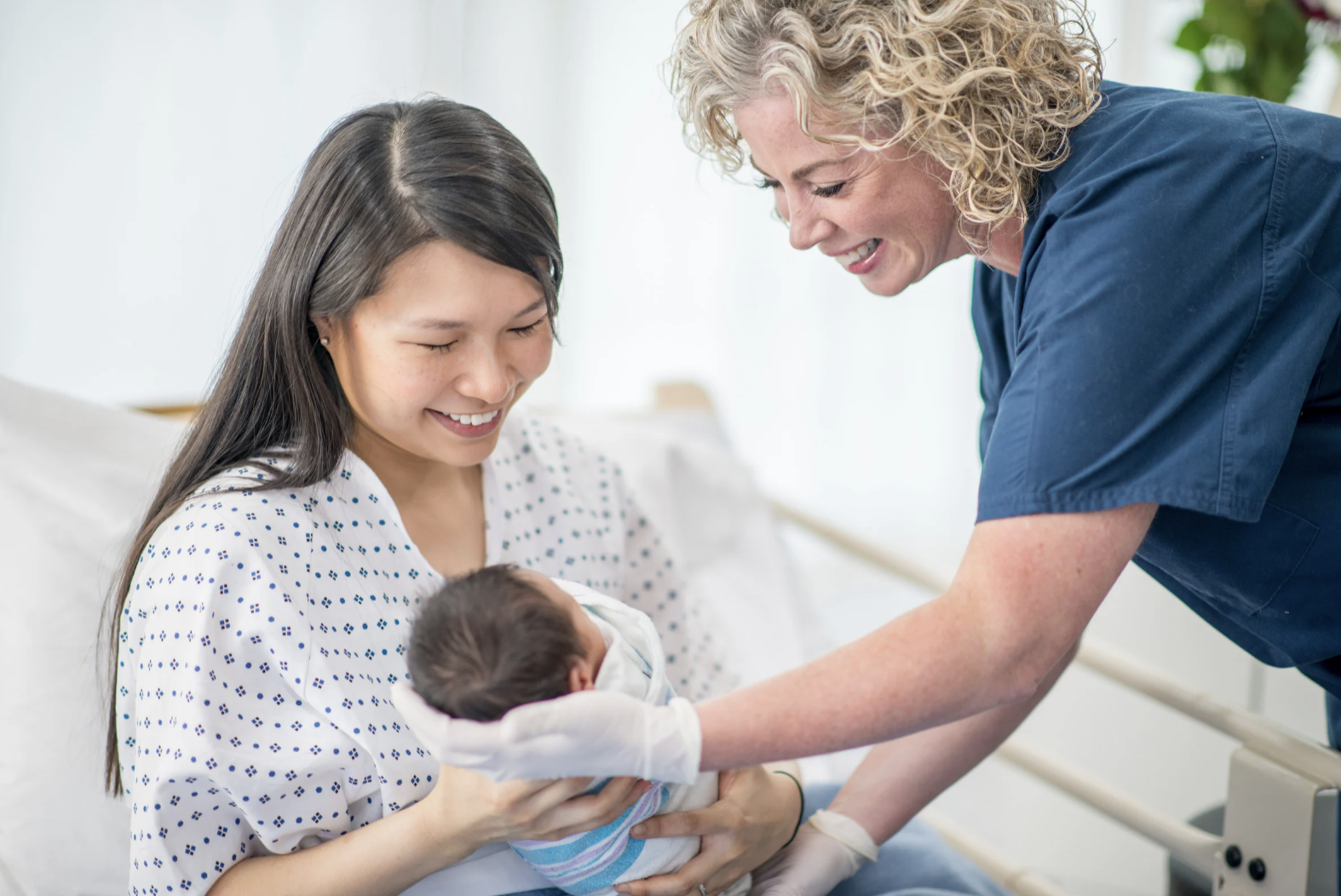
When you arrive at the hospital to have your baby, you may picture one or two providers in the room, but in reality, there’s an entire team working together to care for you and your baby.
Each person plays a unique role in supporting your birth experience—from physical care and emotional support to medical safety and newborn wellness. Here’s a breakdown of who might be on your birth team and what they do.

OB-GYN or Midwife
Your primary provider will either be an OB-GYN (obstetrician-gynecologist) or a midwife, depending on your birth plan and chosen provider. They lead your medical care, monitor labor progress, and guide your delivery. If complications arise, they are trained to respond quickly and appropriately.
Labor & Delivery Nurse
L&D nurses are often the people you’ll spend the most time with during labor. They:
- Monitor your contractions and your baby’s heart rate
- Help with breathing techniques and positioning
- Administer IVs and medications
- Advocate for your birth preferences
- Support you emotionally through every stage
Think of them as your guide, coach, and safety net all in one.
Anesthesiologist or Nurse Anesthetist
If you choose or need pain relief such as an epidural, a member of the anesthesia team will meet with you to discuss your options, administer medication, and monitor you closely. They also play a critical role in C-sections or other procedures.
Surgical Techs & Support Staff
If you give birth in an operating room—whether for a planned or unplanned C-section—surgical techs and scrub nurses ensure everything is sterile, assist the team, and help maintain a safe environment.
You’ll also interact with housekeeping staff who keep your room clean, restock supplies, and help maintain a comfortable environment.

Baby’s Care Team: Pediatricians & Neonatal Nurses
Immediately after birth, a pediatric provider or neonatal nurse will be there to examine your baby, perform necessary tests, and support breastfeeding or bottle feeding. If your baby requires additional support, a specialized neonatal team may be able to assist.
Medical & Nursing Students
Many hospitals are teaching hospitals, meaning they also train future healthcare professionals. You may encounter:
- Medical students, who are training to become doctors
- Nursing students, who are learning the clinical skills needed to become registered nurses
These students are always supervised and are grateful for the chance to observe or assist in your care. Including them in your birth story helps shape the next generation of thoughtful, skilled healthcare providers.
Your birth team is more than just a doctor or nurse. It’s a coordinated group of professionals working together toward one goal: a healthy and positive experience for you and your baby.
Knowing who’s who can help you feel more confident, more informed, and more supported. Don’t hesitate to ask questions, share your preferences, and advocate for yourself—you’re the most important part of the team.

Kirsten Fisch, MSN, RNC-MNN, IBCLC, LCCE Kirsten is a women's health nurse who specializes in high-risk pregnancy and postpartum care. She is certified in Maternal Newborn Nursing, a board-certified lactation consultant (IBCLC), and a Lamaze Certified Childbirth Educator. She works with women from conception through the postpartum period. Passionate about empowering women throughout their reproductive journeys, Kirsten combines evidence-based care with compassionate support to promote the health and well-being of mothers and babies.