

Kirsten Fisch
Co-Founder at - Momentum Health NetworkKirsten Fisch, MSN, RNC-MNN, IBCLC, LCCE Kirsten is a women's health nurse who specializes in high-risk pregnancy and postpartum care. She is certified in Maternal Newborn Nursing, a board-certified lactation consultant (IBCLC), and a Lamaze Certified Childbirth Educator. She works with women from conception through the postpartum period. Passionate about empowering women throughout their reproductive journeys, Kirsten combines evidence-based care with compassionate support to promote the health and well-being of mothers and babies.
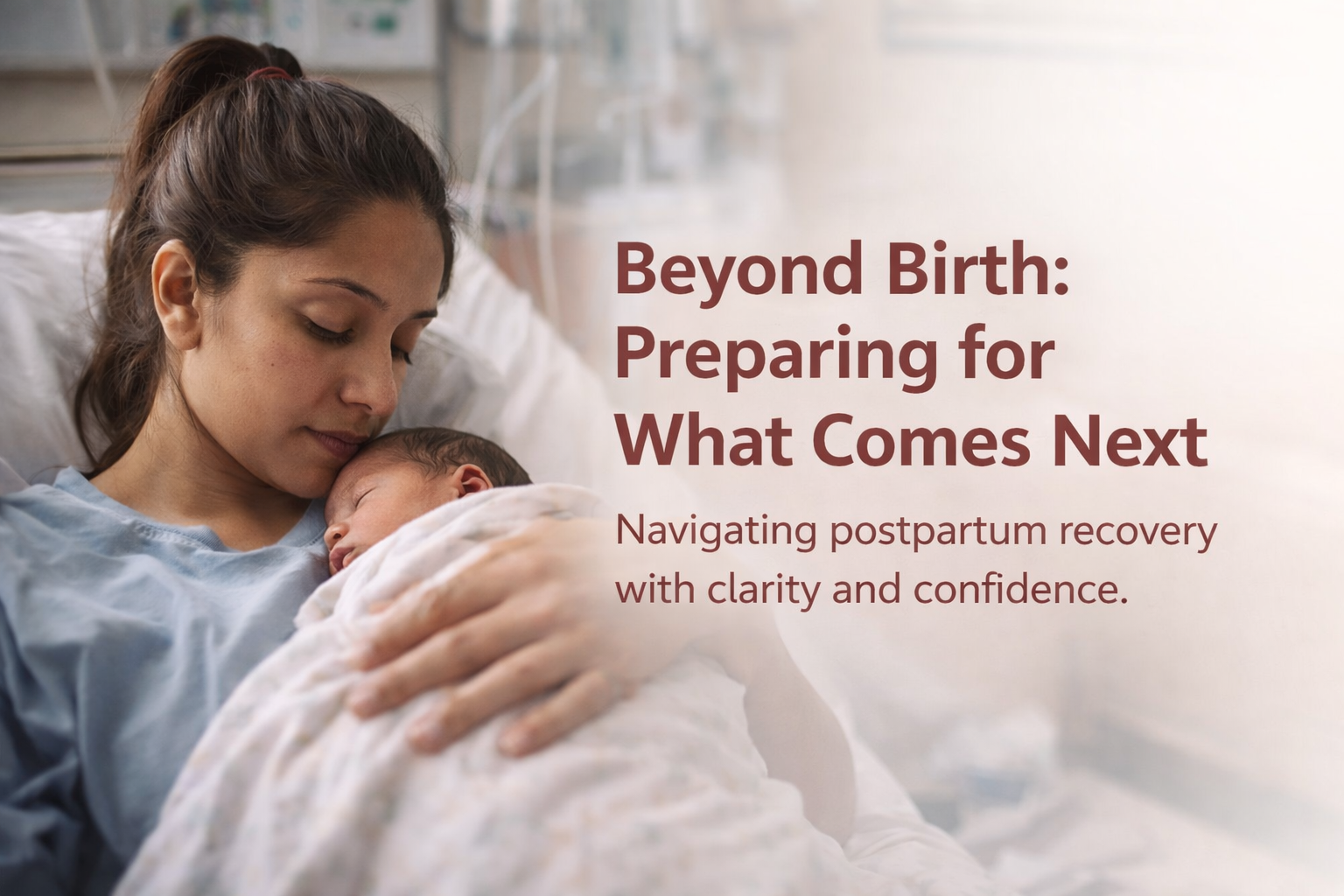
There’s a moment that happens quietly for almost every new mother.
It’s not during labor.
It’s not during delivery.
It’s after.
When the room is calmer.
When the baby is in her arms.
When the adrenaline begins to wear off.
And she thinks:
“Why do I feel like this?”
The Part No One Fully Prepares You For
We spend months preparing for birth.
We talk about:
- Contractions
- Epidurals
- Birth plans
- Hospital bags
But far less time is spent preparing for what comes next:
- The physical depletion
- The overwhelming fatigue
- The emotional intensity
- The reality of caring for a newborn while recovering
And for many women, this experience feels surprising, sometimes even alarming.
Not because something is wrong.
But because no one explained what “normal” might actually feel like.
What Your Body Is Going Through (And Why It Matters)
After birth, your body is not simply “tired.”
It is recovering from:
- Blood loss
- Hormonal shifts
- Physical exertion
- Interrupted sleep
- The immediate demands of feeding and caring for a newborn
For some women, this includes postpartum anemia, a condition where hemoglobin levels are low after delivery.
Recent research has shown that lower postpartum hemoglobin levels are associated with:
- Increased fatigue
- Reduced physical capacity
- Greater difficulty with everyday activities
This means that how you feel postpartum is not just emotional.
It is deeply physiological.
Let’s Reframe “Normal Postpartum”
You may hear:
- “You’ll be exhausted.”
- “That’s just part of it.”
- “It gets better.”
And while some level of fatigue is expected…
Extreme exhaustion, dizziness, shortness of breath, or feeling unable to function are not things you should ignore.
Your experience matters.
Your body is communicating with you.
And understanding that can change everything.
How to Prepare for Postpartum (Before You Give Birth)
Preparation doesn’t eliminate every challenge, but it gives you context, confidence, and control.
Here are a few ways to begin:
1. Understand the First 72 Hours
The early postpartum period is a major physiological transition.
You may feel:
- Weak or shaky
- Overwhelmed
- Extremely tired
- Mentally foggy
Knowing this ahead of time helps you recognize what’s expected vs. what needs attention.
2. Know Your Risk for Depletion
Talk to your provider during pregnancy about:
- Iron levels
- Hemoglobin levels
- Any history of anemia
- What to expect with blood loss during delivery
This isn’t about fear, it’s about awareness.
3. Plan for Support: Not Just the Baby, But You
We often plan for:
✔ Baby clothes
✔ Nursery setup
✔ Feeding supplies
But postpartum recovery requires support too.
Consider:
- Who will help you rest?
- Who will help with meals?
- Who can step in so you’re not doing everything alone?
Support is not a luxury, it’s part of recovery.
4. Pay Attention to How You Feel
After birth, notice:
- Are you unusually short of breath?
- Do you feel dizzy when standing?
- Are you overwhelmingly fatigued beyond what feels manageable?
If something feels off, speak up.
You deserve to be heard and evaluated.
5. Give Yourself Permission to Recover
This may be the most important one.
You are not meant to “bounce back.”
You are meant to:
- Heal
- Adjust
- Learn
- Rest
Recovery is not separate from caring for your baby.
It is what makes caring for your baby possible.
A Different Kind of Preparation
Preparing for postpartum isn’t about having all the answers.
It’s about having:
- The right expectations
- The right support
- The right information
So that when that quiet moment comes…
Instead of wondering
“Why do I feel like this?”
You can say:
“I understand what my body is going through and I know what to do next.”
You Deserve More Than Just “Getting Through It”
You deserve to feel:
- Supported
- Prepared
- Capable
- Informed
Not just during birth.
But in everything that comes after.
Because postpartum isn’t just something you survive.
It’s something you can be prepared to move through, with clarity and confidence.

Kirsten Fisch, MSN, RNC-MNN, IBCLC, LCCE Kirsten is a women's health nurse who specializes in high-risk pregnancy and postpartum care. She is certified in Maternal Newborn Nursing, a board-certified lactation consultant (IBCLC), and a Lamaze Certified Childbirth Educator. She works with women from conception through the postpartum period. Passionate about empowering women throughout their reproductive journeys, Kirsten combines evidence-based care with compassionate support to promote the health and well-being of mothers and babies.