


Carole Falletta
Co-Founder at - Momentum Health NetworkCarole Falletta, MS, MA, PMHNP-BC, FNP-BC, RNC-EFM, IBCLC, LCCE Carole is a nurse practitioner with over 30 years of experience in nursing, specializing in women's health, newborn care, and reproductive and postpartum mental health. Actively practicing in healthcare, she supports women and families during the perinatal journey through compassionate, evidence-based care. A dual board-certified nurse practitioner in psychiatric and family health, Carole is also an International Board-Certified Lactation Consultant (IBCLC) and Lamaze Certified Childbirth Educator, combining her clinical expertise and passion for education to empower mothers and support babies.
Many mothers imagine the moments after birth in vivid detail. Skin-to-skin contact. Holding their baby close. The quiet awe of meeting their child for the first time. These expectations aren’t unrealistic—they’re deeply human.
And yet, for many families, birth unfolds differently.
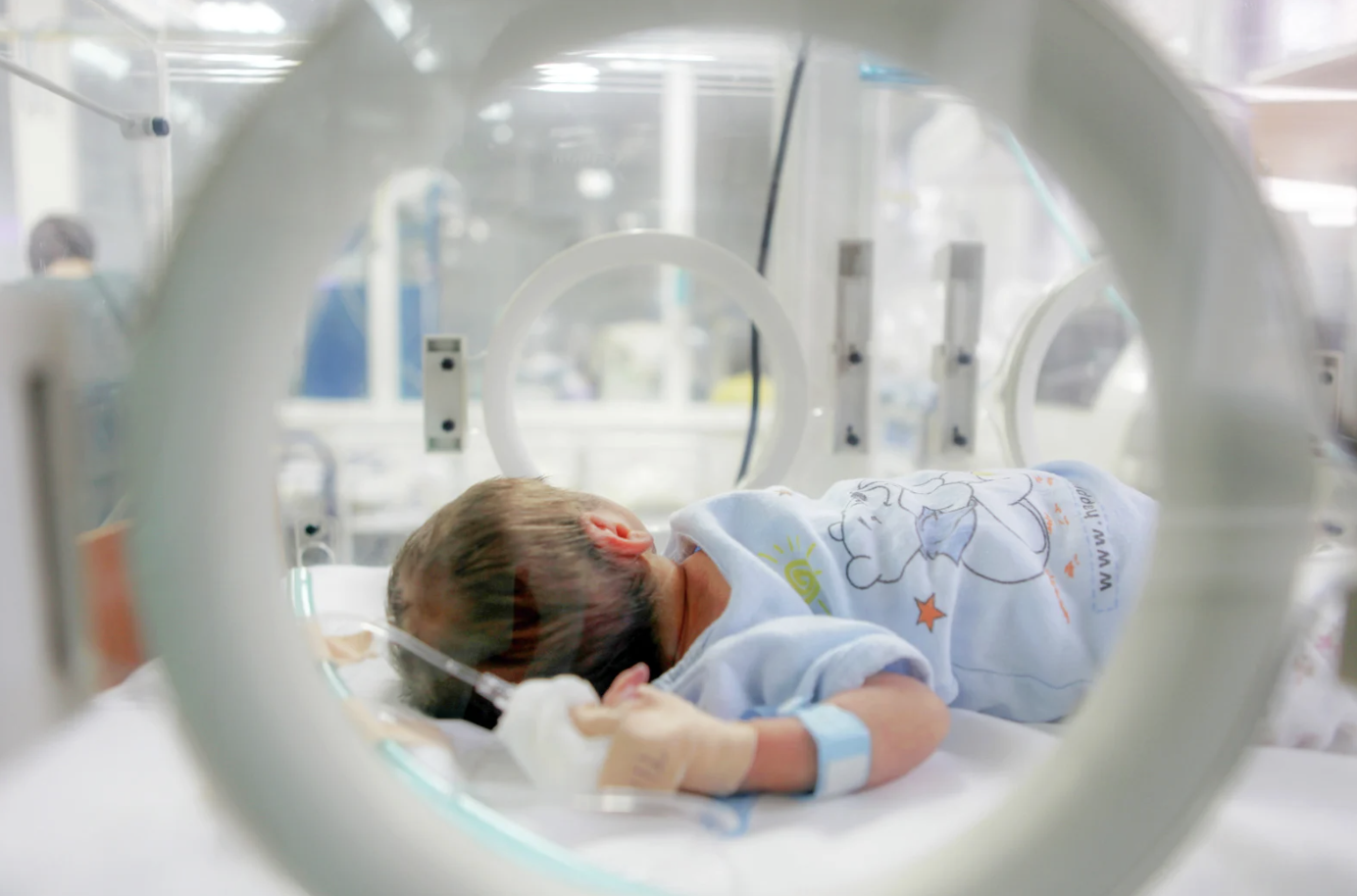
When a baby needs to be taken to the NICU unexpectedly, especially after a healthy pregnancy and full-term delivery, the emotional impact can be intense. Mothers often describe a sudden sense of shock, grief, and disbelief. The body has given birth, but the heart feels left behind.
The Emotional Whiplash of an Unexpected NICU Stay
Recently, I supported a mother whose pregnancy had been uncomplicated. She delivered at term, fully expecting to hold and nurse her baby shortly after birth. Instead, her baby required immediate NICU care due to meconium aspiration. Within moments, the baby was surrounded by a specialized Level 4 NICU team, while she remained in her room—physically separated, emotionally overwhelmed.
She was distraught. Tearful. Quietly questioning everything.
As I sat with her, simply holding space, she shared what was weighing on her the most:
“I’m worried I won’t be able to nurse my baby.”
Her baby was only two days old—medically fragile and not yet ready to feed. What she didn’t realize, and what many mothers in this situation also don’t realize, is that NICU teams are deeply invested in supporting both feeding and bonding. Breastfeeding, skin-to-skin contact, and attachment aren’t forgotten goals. They’re just on pause.
But emotionally, even a pause can feel like a loss.
The Pressure of “Those First Moments”
There’s a widespread message that the first hours after birth are the critical window for bonding. While early contact can be meaningful, this idea—if not presented with care—can unintentionally hurt mothers whose births don’t follow that ideal script.
The truth is, many mothers don’t get uninterrupted bonding time in the first hours, or even the first days, after birth. Medical needs, recovery, exhaustion, or complications often reshape those early moments.
Bonding isn’t a single event. It’s a process, something that unfolds and grows over time.
When mothers believe they’ve missed their chance, it can add guilt and grief to an already vulnerable moment.
Holding Space Instead of Fixing
What helped this mother wasn’t someone telling her everything would be fine. It wasn’t a checklist of next steps. It was being seen.
It was hearing that her sadness made sense.
It was being reminded that separation didn’t erase the love she already had for her baby.
Sometimes, the most powerful support comes from just sitting beside someone and letting them say out loud the worries they’ve been carrying alone.
Gentle Mental Health Guidance for Mothers Facing NICU Separation
If you’re a mother navigating a NICU admission, especially if your birth experience felt disrupted or unexpected, consider these reminders:
- Grief and gratitude can coexist. You can be thankful for the care your baby is receiving, and still mourn the moments you missed.
- Bonding is resilient. It grows through small, repeated moments—your voice, your touch, your presence—not just the first hour after delivery.
- Feeding is a journey. Babies in the NICU often need time before they’re ready to nurse or bottle-feed. Support will be there when they’re ready.
- Your emotions aren’t failures. Feeling sadness, worry, or anger doesn’t mean you’re doing anything wrong. It means something important to you didn’t happen the way you hoped.
- You are not behind. There’s no clock counting down your ability to connect. Your relationship with your baby is still unfolding.
Are We Asking Too Much of New Mothers?
It’s worth asking if we, as a system, are unintentionally setting mothers up to feel like they’ve failed when things don’t go exactly as planned. Birth is unpredictable. Babies sometimes need help. And mothers deserve support and compassion when that happens—not more pressure.
A Closing Thought
If your baby needed NICU care, please know this:
You didn’t miss your chance to bond.
You are not less connected.
You are not behind.
Your story with your baby is still being written, moment by moment, in your own time.
It’s okay to grieve what didn’t happen. And it’s also okay to trust that love, connection, and closeness can still grow—right where you are.

Carole Falletta, MS, MA, PMHNP-BC, FNP-BC, RNC-EFM, IBCLC, LCCE Carole is a nurse practitioner with over 30 years of experience in nursing, specializing in women's health, newborn care, and reproductive and postpartum mental health. Actively practicing in healthcare, she supports women and families during the perinatal journey through compassionate, evidence-based care. A dual board-certified nurse practitioner in psychiatric and family health, Carole is also an International Board-Certified Lactation Consultant (IBCLC) and Lamaze Certified Childbirth Educator, combining her clinical expertise and passion for education to empower mothers and support babies.