


Carole Falletta
Co-Founder at - Momentum Health NetworkCarole Falletta, MS, MA, PMHNP-BC, FNP-BC, RNC-EFM, IBCLC, LCCE Carole is a nurse practitioner with over 30 years of experience in nursing, specializing in women's health, newborn care, and reproductive and postpartum mental health. Actively practicing in healthcare, she supports women and families during the perinatal journey through compassionate, evidence-based care. A dual board-certified nurse practitioner in psychiatric and family health, Carole is also an International Board-Certified Lactation Consultant (IBCLC) and Lamaze Certified Childbirth Educator, combining her clinical expertise and passion for education to empower mothers and support babies.
When preparing for labor, many expectant mothers are surprised to learn that tools as simple as a peanut-shaped exercise ball can play a meaningful role in the birthing experience. Whether you’re planning to have an epidural or simply want more comfort and flexibility during labor, the peanut ball is worth learning about. It’s one of those small things that can make a big difference.
Let’s take a closer look at what a peanut ball is, how it’s used during labor, and why more birthing professionals are recommending it today.
What Is a Peanut Ball?
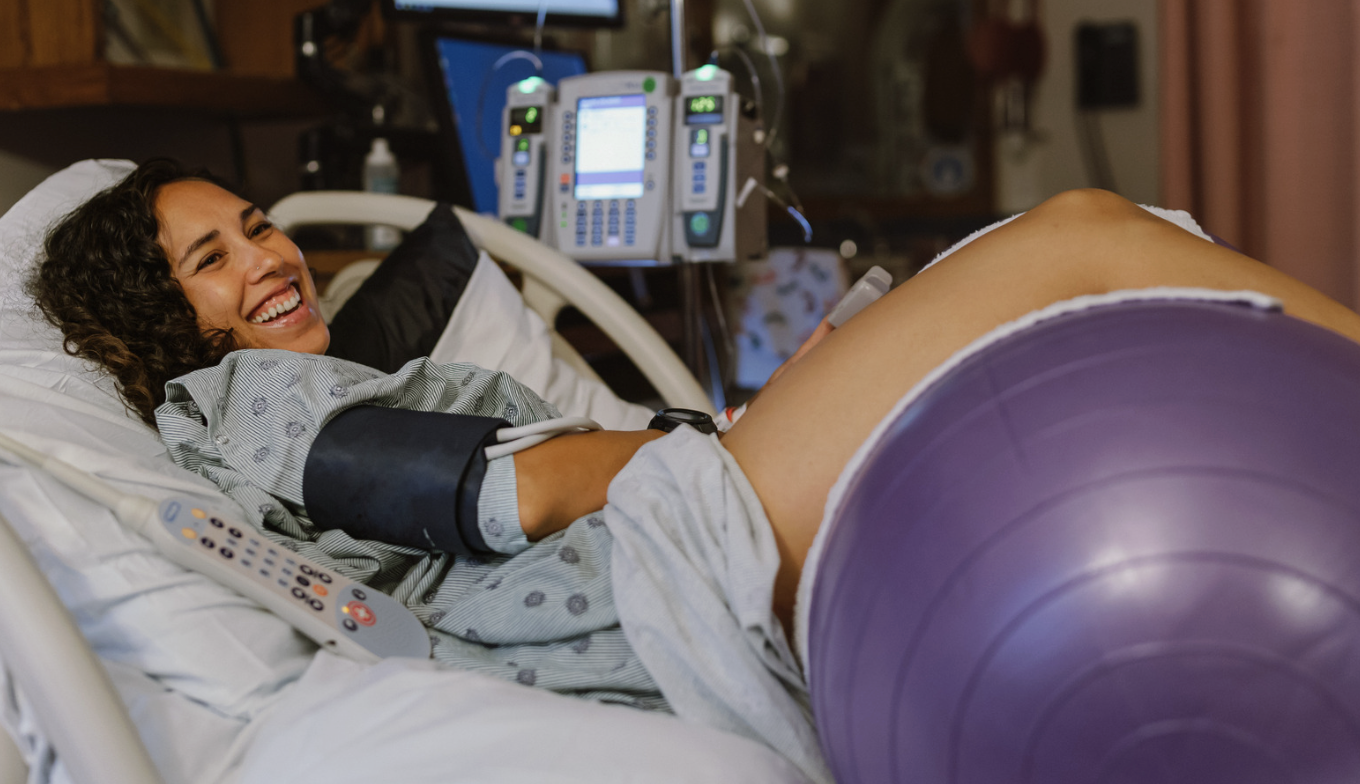
A peanut ball is an inflatable labor support tool shaped like—you guessed it—a peanut. It’s narrower in the middle and wider at the ends, which allows it to fit comfortably between your legs when lying down. It comes in a few different sizes, depending on your height and the position you’re in.
Unlike the traditional round birth ball you may have seen for sitting or bouncing during early labor, the peanut ball is ideal when you’re in bed—whether for rest, due to medical monitoring, or after receiving an epidural.
How the Peanut Ball Helps During Labor
One of the main benefits of using a peanut ball is that it helps open the pelvis, which encourages the baby to move down into a favorable position for birth. This can lead to more efficient labor and less time spent pushing.
Some potential benefits include:
- Helping the cervix dilate more effectively
- Encouraging optimal fetal positioning
- Supporting pelvic alignment and flexibility
- Promoting progress even while you’re resting in bed
- Reducing the need for certain interventions, such as cesarean birth
For those who receive an epidural, it allows the body to stay active and engaged in labor without needing to get out of bed.
Peanut Ball Positions You Can Try
There are several ways a peanut ball can be used during labor, and the position chosen often depends on where you are in labor and whether you have mobility or are using pain relief.
Side-Lying with One Leg Over the Ball
Lie on your side with the ball between your knees. The top leg rests over the ball while the bottom stays straight or slightly bent. This position encourages baby to descend and rotate.
Tucked-Side or Double-Leg Over
Both legs wrap around the peanut ball like a pillow. This can be helpful during early labor or when alternating sides regularly to keep things moving.
Semi-Reclined Sitting with Butterfly Legs
While sitting up in bed, place the ball under both legs in a butterfly shape. This helps create space in the pelvis and can be particularly useful with an epidural in place.
Kneeling or Forward-Leaning on the Bed
If you’re able to get on hands and knees or kneel facing the bed, the peanut ball can support your chest or arms, allowing your pelvis to move freely while taking pressure off your back.
Your nurse, midwife, or doula will often help guide you through these positions and recommend when to switch sides or adjust for progress.
Do I Need to Bring My Own Peanut Ball?
Some hospitals and birth centers already have peanut balls available, but not all do. It’s a good idea to ask in advance. If you’re birthing at home or planning to bring your own to the hospital, be sure to get the right size (generally based on your height) and bring a pump to inflate it, just in case.
Can I Use a Peanut Ball with an Epidural?
Yes, absolutely. This is actually one of the most common and effective times to use it.
When you receive an epidural, your legs may feel heavy or numb, so you’re usually restricted to bed. The peanut ball allows your body to maintain positions that support labor progress without needing to stand or walk.
In fact, some studies suggest that using a peanut ball with an epidural can reduce the length of labor and lower the rate of cesarean delivery.
What to Expect with Support from Staff
If you’re in a hospital or birth center, your nurse or care team will help you into position and re-adjust the ball every so often. They’ll likely alternate sides every 30 to 60 minutes, depending on your comfort and how labor is progressing. You don’t have to remember all the positions—just know that this tool is there to support your body’s natural rhythms.
Wrapping It Up
Labor is different for every mother and every baby. But one thing that remains true across the board is that movement and positioning matter—even when you’re not actively walking around. The peanut ball is a gentle, supportive way to keep things moving forward, especially when resting or after receiving an epidural.
It’s not flashy. It’s not high-tech. But it’s something I’ve seen make a difference time and again in real birth rooms.
If you’re building your birth preferences or looking for tools to help you feel more confident and supported in labor, ask about the peanut ball. You might just be surprised how helpful this humble little tool can be.

Carole Falletta, MS, MA, PMHNP-BC, FNP-BC, RNC-EFM, IBCLC, LCCE Carole is a nurse practitioner with over 30 years of experience in nursing, specializing in women's health, newborn care, and reproductive and postpartum mental health. Actively practicing in healthcare, she supports women and families during the perinatal journey through compassionate, evidence-based care. A dual board-certified nurse practitioner in psychiatric and family health, Carole is also an International Board-Certified Lactation Consultant (IBCLC) and Lamaze Certified Childbirth Educator, combining her clinical expertise and passion for education to empower mothers and support babies.