


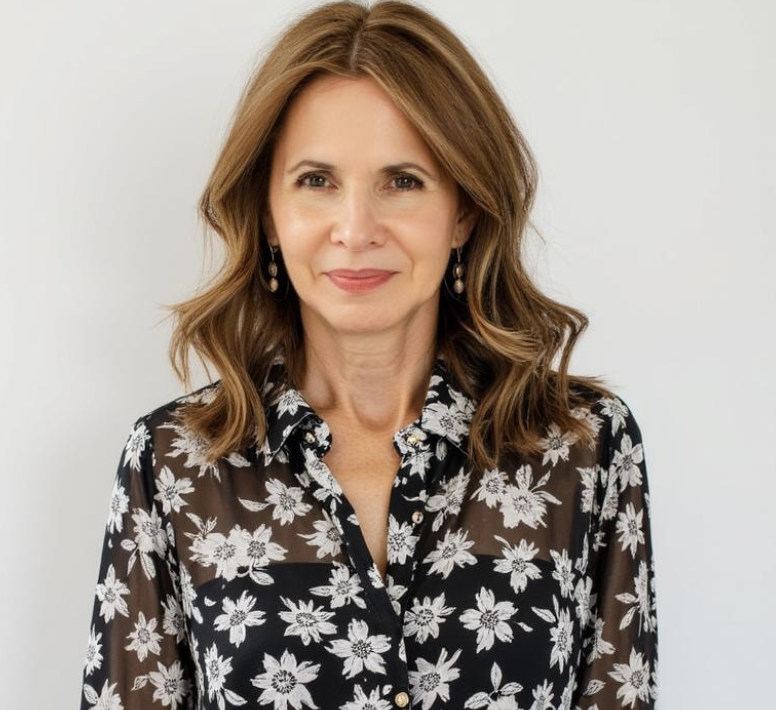
Carole Falletta
Co-Founder at - Momentum Health NetworkCarole Falletta, MS, MA, PMHNP-BC, FNP-BC, RNC-EFM, IBCLC, LCCE Carole is a nurse practitioner with over 30 years of experience in nursing, specializing in women's health, newborn care, and reproductive and postpartum mental health. Actively practicing in healthcare, she supports women and families during the perinatal journey through compassionate, evidence-based care. A dual board-certified nurse practitioner in psychiatric and family health, Carole is also an International Board-Certified Lactation Consultant (IBCLC) and Lamaze Certified Childbirth Educator, combining her clinical expertise and passion for education to empower mothers and support babies.
There are moments when the world feels especially heavy—when the news is filled with stories that are difficult to hear, impossible to ignore, and deeply emotional. Tragedy, injustice, and uncertainty can land in ways that shake us more than we expect.
If you’ve found yourself feeling anxious, unsettled, or overwhelmed in ways that are hard to explain, know this: your reaction makes sense. You’re not alone—and you’re not being too sensitive.
Why Disturbing News Affects Us So Deeply
We’re wired to respond emotionally to sadness, injustice, and perceived danger. Even when something is happening far away, our nervous system takes it in. For those already carrying a personal burden, it’s not uncommon to feel suddenly triggered. You might become more tearful or on edge. Sometimes this happens without knowing exactly why.
You may be more affected if:
- You’ve experienced trauma in the past—personally or professionally
- The news echoes something you’ve lived through
- You’re running on empty or feel unsupported
- You’re already navigating emotional or physical exhaustion
Our nervous systems are constantly scanning for signs of safety or threat. When the outside world feels unsafe, our inner world can easily become destabilized.
What Can Help When You’re Feeling This Way
You don’t have to shut out the world to care for yourself—you just need ways to stay grounded within it. Here are gentle steps that can make a meaningful difference.
1. Acknowledge What You’re Feeling
Name it without trying to fix it.
“I feel sad.”
“I feel helpless.”
“I feel angry.”
These are valid. Letting yourself feel what’s real is the first step in processing it.
2. Limit Your Exposure
It’s okay to pause the scroll.
Stepping back from the news, social media, or even constant conversation isn’t avoidance—it’s preservation.
Give yourself permission to unplug without guilt.
3. Move Your Body, Gently
Emotions live in the body.
A walk, a few stretches, or even standing up to breathe deeply can shift how you’re holding stress. Movement helps release what words can’t always reach.
4. Create Micro-Moments of Safety
These can be small but powerful:
- Lighting a candle
- Wrapping up in a soft blanket
- Listening to calming music
- Reaching out to someone who brings steadiness
You don’t need to overhaul your day—just touch something that feels soothing.
5. Talk to Someone Who Can Hold Space
Sometimes, it’s not about finding a solution—it’s about feeling seen.
Whether it’s a friend, a provider, or a support group, connection helps regulate and restore. You’re not meant to carry it all alone.
6. Speak Kindly to Yourself
Try saying:
- “I’m doing the best I can in a world that feels uncertain.
- My feelings make sense.
- I can take care of myself and still care about others.”
Words have power—especially when spoken with compassion.
For Those Navigating Trauma
If you’ve experienced trauma before—loss, abuse, violence, or a complicated chapter in your life—it’s not unusual to find yourself stirred up. Difficult headlines can trigger this.
Memories may resurface. Body sensations might return. You may feel more vigilant or more withdrawn.
This isn’t a setback—it’s your body remembering how to protect you.
Healing doesn’t mean you’ll never feel discomfort again. It means you recognize it, respond to it, and seek support when needed.
Trauma-informed care, compassionate therapy, EMDR (Eye Movement Desensitization and Reprocessing), and body-based practices can help release what feels trapped inside. Even one safe conversation can create a shift.
You Are Not Alone
If the world feels heavier right now, please know this:
- You’re not imagining it
- You’re not being “too emotional”
- And you don’t have to hold it all together to be okay
There is strength in awareness.
There is healing in connection.
And there is power in knowing that your mental well-being matters—even when the world feels like too much.

Carole Falletta, MS, MA, PMHNP-BC, FNP-BC, RNC-EFM, IBCLC, LCCE Carole is a nurse practitioner with over 30 years of experience in nursing, specializing in women's health, newborn care, and reproductive and postpartum mental health. Actively practicing in healthcare, she supports women and families during the perinatal journey through compassionate, evidence-based care. A dual board-certified nurse practitioner in psychiatric and family health, Carole is also an International Board-Certified Lactation Consultant (IBCLC) and Lamaze Certified Childbirth Educator, combining her clinical expertise and passion for education to empower mothers and support babies.