
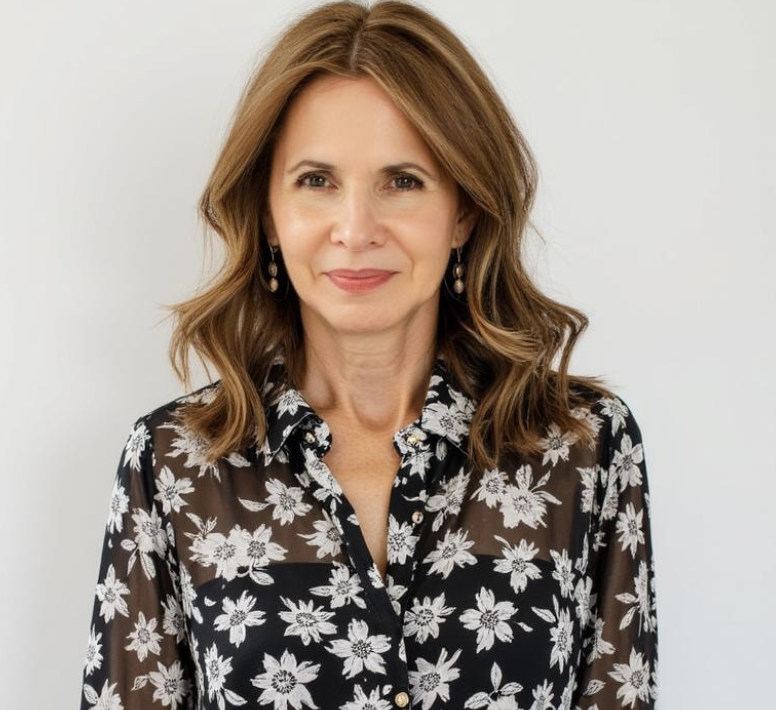
Carole Falletta
Co-Founder at - Momentum Health NetworkCarole Falletta, MS, MA, PMHNP-BC, FNP-BC, RNC-EFM, IBCLC, LCCE Carole is a nurse practitioner with over 30 years of experience in nursing, specializing in women's health, newborn care, and reproductive and postpartum mental health. Actively practicing in healthcare, she supports women and families during the perinatal journey through compassionate, evidence-based care. A dual board-certified nurse practitioner in psychiatric and family health, Carole is also an International Board-Certified Lactation Consultant (IBCLC) and Lamaze Certified Childbirth Educator, combining her clinical expertise and passion for education to empower mothers and support babies.
When you’re planning for birth, one of the most common (yet under-asked) questions is:
“Who’s actually going to be in the room with me?”
And more importantly:
“Will they let me be, or will I be constantly checked and watched?”
Your birth setting—whether it’s your home, a birth center, or a hospital—shapes the entire rhythm of your labor experience. This blog breaks down what to expect in each setting so you can feel prepared and empowered.
Home Birth: Intimate, Calm, and Midwife-Led
Planning a home birth often means care that’s quiet, watchful, and centered on trust in the body.
You’ll likely be supported by:
- A licensed midwife (often two, including an assistant)
- A doula, if you hire one
- Your birth partner or support person
What to expect:
Midwives are trained to monitor labor while also giving you space. You’ll usually find them nearby, observing quietly, only intervening when needed. You set the pace, the environment, and even the lighting.
Birth Center: A Blend of Homey and Clinical
Birth centers offer a middle ground—home-like spaces with medical tools just in case. They’re typically midwife-run and designed for low-risk pregnancies.
Your support team might include:
- A midwife and assistant
- Your doula or support person
- Possibly a nurse or staff member, depending on the facility
What to expect:
The environment is calm and unhurried. Midwives check vitals intermittently and support natural progress without frequent exams or interventions. You can labor in water, on a birth ball, or wherever you feel comfortable.
Hospital Birth: More Monitored and Medically Structured
Hospitals offer the most medical backup, making them the safest place for high-risk pregnancies—but they also tend to be the most hands-on.
You’ll likely see:
- Labor & delivery nurses
- Your OB-GYN or hospital-based midwife
- Anesthesiologist (if you want an epidural)
- Pediatric team (if needed)
- Possibly residents or students in teaching hospitals
What to expect:
Hospital births usually include continuous fetal monitoring, IVs, and more frequent checks. That doesn’t mean you can’t have a calming or low-intervention birth—you just may need to communicate your preferences more actively.
Will They Let Me Be?
This is such a valid question. The answer? It depends.
In general:
- Home births and birth centers follow a “watch and wait” model. You’ll be gently supported but not poked and prodded.
- Hospitals tend to involve more monitoring, documentation, and oversight, especially if you’re being induced or have medical complications.
But remember: you always have a voice. You can ask who will be in the room, how often you’ll be checked, whether you can move freely, and how much privacy you’ll have.
Your Birth, Your Space
No matter where you deliver, the goal is the same:
A safe, supported birth where you feel seen and respected.
There’s no right answer—just the one that feels best to you.
So ask questions. Tour your chosen birth space. Speak with your care team. And trust yourself.

Carole Falletta, MS, MA, PMHNP-BC, FNP-BC, RNC-EFM, IBCLC, LCCE Carole is a nurse practitioner with over 30 years of experience in nursing, specializing in women's health, newborn care, and reproductive and postpartum mental health. Actively practicing in healthcare, she supports women and families during the perinatal journey through compassionate, evidence-based care. A dual board-certified nurse practitioner in psychiatric and family health, Carole is also an International Board-Certified Lactation Consultant (IBCLC) and Lamaze Certified Childbirth Educator, combining her clinical expertise and passion for education to empower mothers and support babies.