


Carole Falletta
Co-Founder at - Momentum Health NetworkCarole Falletta, MS, MA, PMHNP-BC, FNP-BC, RNC-EFM, IBCLC, LCCE Carole is a nurse practitioner with over 30 years of experience in nursing, specializing in women's health, newborn care, and reproductive and postpartum mental health. Actively practicing in healthcare, she supports women and families during the perinatal journey through compassionate, evidence-based care. A dual board-certified nurse practitioner in psychiatric and family health, Carole is also an International Board-Certified Lactation Consultant (IBCLC) and Lamaze Certified Childbirth Educator, combining her clinical expertise and passion for education to empower mothers and support babies.
Two weeks after giving birth to her baby girl, Lena was adjusting to life as a new mom—sleep-deprived, healing, and navigating that foggy space between exhaustion and wonder. She’d had a vaginal delivery with minor tearing, and her six-week checkup still felt far off. So when she started feeling some cramping and lower pelvic discomfort, she chalked it up to “just part of the healing process.”
“It wasn’t sharp pain. More of an ache,” she later shared. “I was sore everywhere. I just figured my body was doing what it needed to do.”
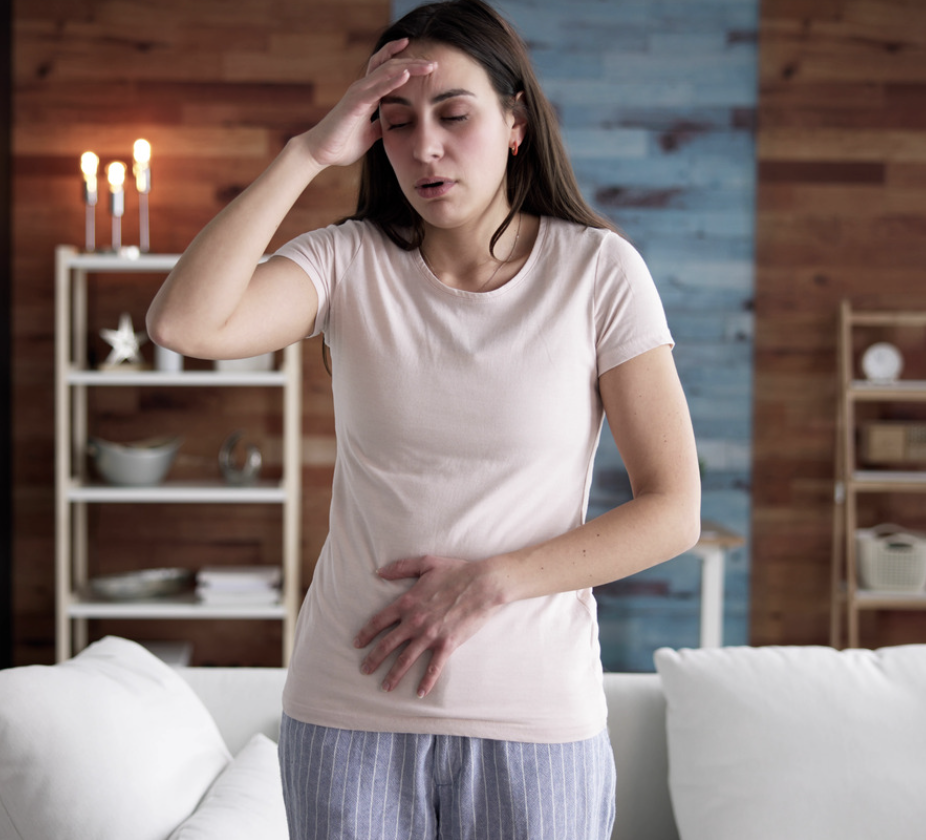
But over the next few days, that dull ache didn’t go away. It became more persistent, creeping into her lower back and radiating toward her side. She brushed it off—“I’m just tired,” she thought. Until one night, her fever spiked. She was shaking, soaked in sweat, and struggling to keep her eyes open while holding her baby.
Lena had developed a serious kidney infection—likely stemming from a lingering urinary tract infection (UTI) that went unnoticed or untreated during the postpartum period. She was readmitted to the hospital for IV antibiotics and fluids. Fortunately, she recovered fully—but not without a scare and a strong lesson in postpartum awareness.
Postpartum Isn’t Just About Recovery—It’s About Monitoring
It’s easy to ignore signs that something’s wrong in those early postpartum weeks. After all, you’re bleeding, sore, hormonal, and barely sleeping. How are you supposed to know what’s normal?
The answer: When in doubt, check it out.
Your body has done something extraordinary, but it’s also incredibly vulnerable during this time. Postpartum complications can—and do—happen. And pelvic or abdominal pain is not something to push aside if it feels unusual or persists.
Some postpartum warning signs to never ignore include:
- Fever above 100.4°F
- Burning or pain when urinating
- Pelvic or lower back pain that worsens
- Foul-smelling vaginal discharge
- Chills or flu-like symptoms
- Sudden swelling, leg pain, or shortness of breath
You Deserve to Feel Heard
Lena’s story is a reminder that you’re the expert on your body. If something feels “off,” it probably is. Don’t wait for it to become unbearable before calling your provider. And don’t talk yourself out of seeking help just because you’re worried you’re being dramatic.
Sometimes what feels like minor discomfort can evolve into something serious—especially when sleep-deprived and focused on keeping a tiny human alive. The best thing you can do for your baby is take care of yourself, too.
Trust Your Gut
Postpartum recovery doesn’t follow one timeline, and it’s not always linear. Some days feel great. Others feel like your body is breaking down. But if you’re noticing symptoms that don’t make sense—or are getting worse—say something.
Call your provider. Ask a nurse. Lean on your support system. Because you matter. And your health is the foundation for your baby’s well-being.
Lena’s story could be any of ours. Let it be a gentle reminder: You don’t have to wait for permission to ask for help

Carole Falletta, MS, MA, PMHNP-BC, FNP-BC, RNC-EFM, IBCLC, LCCE Carole is a nurse practitioner with over 30 years of experience in nursing, specializing in women's health, newborn care, and reproductive and postpartum mental health. Actively practicing in healthcare, she supports women and families during the perinatal journey through compassionate, evidence-based care. A dual board-certified nurse practitioner in psychiatric and family health, Carole is also an International Board-Certified Lactation Consultant (IBCLC) and Lamaze Certified Childbirth Educator, combining her clinical expertise and passion for education to empower mothers and support babies.