
Carole Falletta
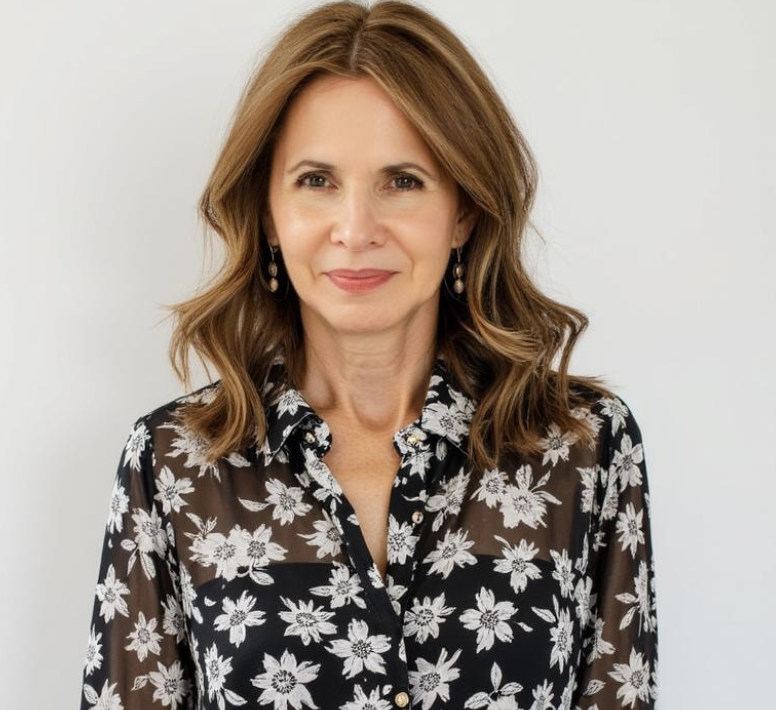
Co-Founder at - Momentum Health NetworkCarole Falletta, MS, MA, PMHNP-BC, FNP-BC, RNC-EFM, IBCLC, LCCE Carole is a nurse practitioner with over 30 years of experience in nursing, specializing in women's health, newborn care, and reproductive and postpartum mental health. Actively practicing in healthcare, she supports women and families during the perinatal journey through compassionate, evidence-based care. A dual board-certified nurse practitioner in psychiatric and family health, Carole is also an International Board-Certified Lactation Consultant (IBCLC) and Lamaze Certified Childbirth Educator, combining her clinical expertise and passion for education to empower mothers and support babies.
So many mothers spend their pregnancy counting down the days—especially in those final weeks. By the time 38 or 39 weeks rolls around, you’re exhausted, swollen, and more than ready to meet your baby. And while birth is an incredible milestone, there’s another chapter that begins right after—one that often gets overlooked.
That chapter is postpartum recovery.
The Baby Arrives… And Then What?
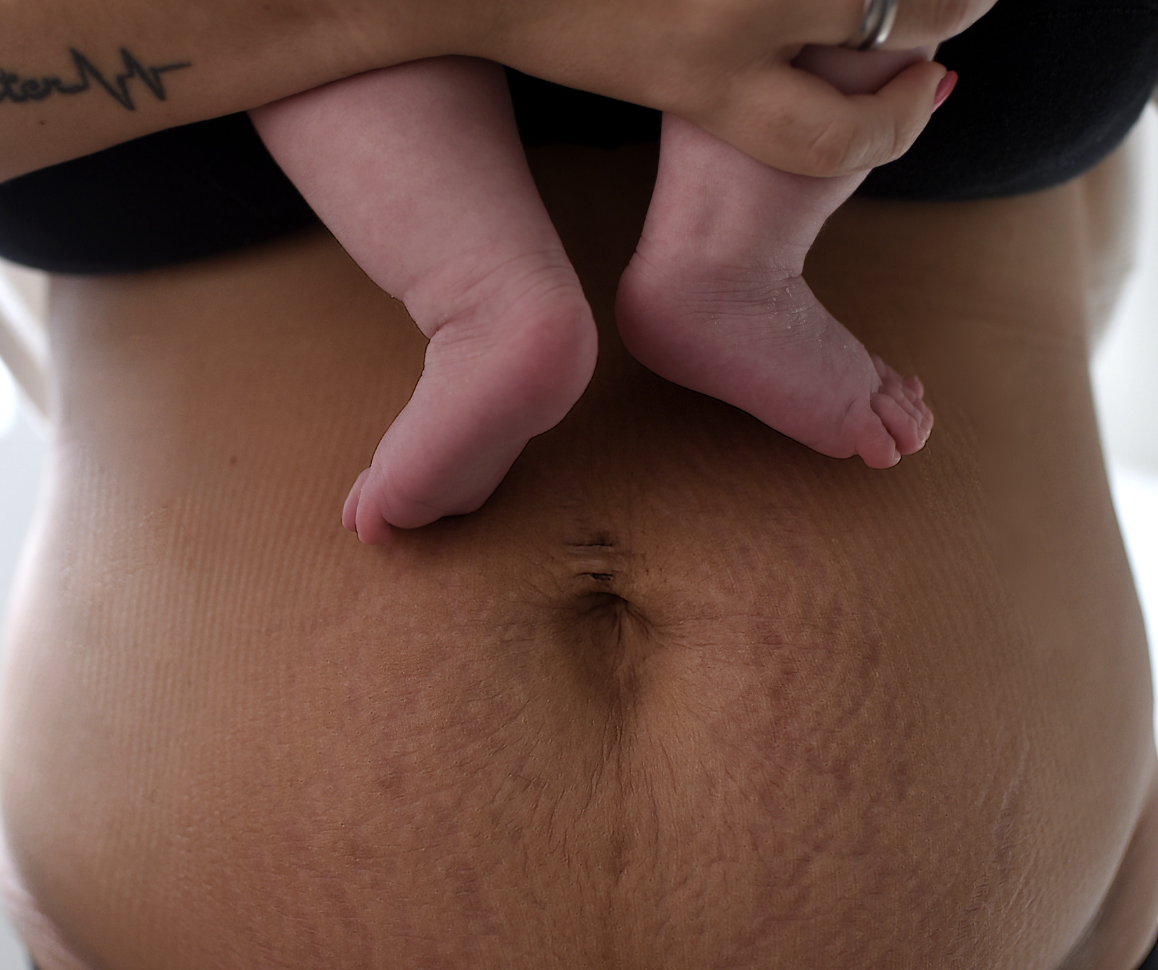
Everyone talks about the birth—how it started, what it was like, how it ended. But not enough people talk about what happens afterward. The truth is, recovery doesn’t end with delivery. In many ways, it’s just beginning.
Whether you had a vaginal birth or a cesarean, your body needs time—real time—to heal. That might mean bleeding for several weeks, sore muscles, difficulty sitting, or tender stitches. It might mean adjusting to a new scar or figuring out how to go to the bathroom without wincing. These things are normal—but they’re rarely talked about.
Emotional Shifts Are Part of It Too
Postpartum isn’t just about physical recovery. It’s a time of emotional and psychological adjustment. Your hormones take a dive. Sleep deprivation sets in. You’re navigating feeding, soothing, diapering—and trying to understand who you are now that you’re somebody’s parent.
Even if you’re thrilled and in love with your baby, you might also feel overwhelmed, anxious, or unsure. You might cry and not know why. You might feel touched-out or lonely. These feelings don’t mean you’re failing. They mean you’re human.
“When Will I Feel Like Myself Again?”
That’s the question I hear most often. And the honest answer? It depends.
Some women feel physically better after a few weeks, while others take months. Emotionally, the adjustment can take even longer. Your body, your identity, your routines—they’re all shifting. It’s okay if the timeline doesn’t follow someone else’s expectations. There’s no “bouncing back”—only moving forward at your own pace.
What Can Help?
- Rest when you can. It’s a cliché for a reason. Your body is doing major work behind the scenes.
- Accept help. Meals, laundry, baby-holding—let people support you.
- Talk about your experience. Whether it’s with a partner, friend, doula, or therapist, processing your birth story can bring a lot of relief.
- Check in with yourself. If you’re feeling persistently down, anxious, or not like yourself, reach out. Postpartum mood and anxiety disorders are common—and treatable.
You Deserve Support, Too
Your baby’s birth matters. But so does your recovery. Let’s start normalizing conversations about what comes next—not to scare, but to prepare. Because the postpartum period is real, and you deserve to walk through it with honesty, support, and care.

Carole Falletta, MS, MA, PMHNP-BC, FNP-BC, RNC-EFM, IBCLC, LCCE Carole is a nurse practitioner with over 30 years of experience in nursing, specializing in women's health, newborn care, and reproductive and postpartum mental health. Actively practicing in healthcare, she supports women and families during the perinatal journey through compassionate, evidence-based care. A dual board-certified nurse practitioner in psychiatric and family health, Carole is also an International Board-Certified Lactation Consultant (IBCLC) and Lamaze Certified Childbirth Educator, combining her clinical expertise and passion for education to empower mothers and support babies.