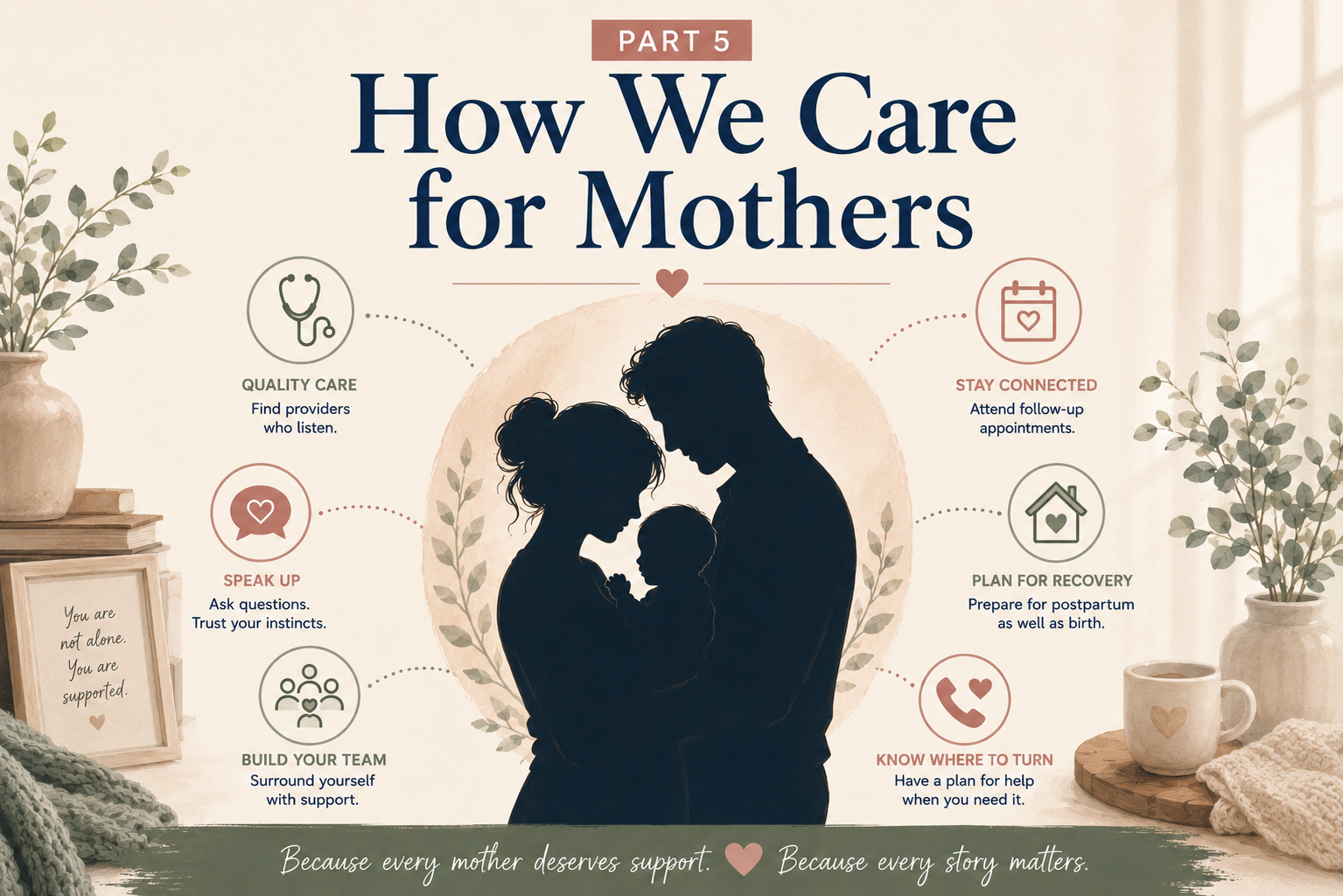
After five articles exploring maternal health in America, one question remains: what can families do while the healthcare system continues to debate how to improve outcomes? In this final installment, postpartum nurse Kirsten Fisch examines what the evidence is telling us, why support and connection matter more than ever, and the practical steps pregnant families can take to advocate for their own safety, recovery, and care.
Author: Kirsten Fisch
Kirsten Fisch, MSN, RNC-MNN, IBCLC, LCCE
Kirsten is a women's health nurse who specializes in high-risk pregnancy and postpartum care. She is certified in Maternal Newborn Nursing, a board-certified lactation consultant (IBCLC), and a Lamaze Certified Childbirth Educator. She works with women from conception through the postpartum period. Passionate about empowering women throughout their reproductive journeys, Kirsten combines evidence-based care with compassionate support to promote the health and well-being of mothers and babies.
Blog
Read more
How We Care for Mothers
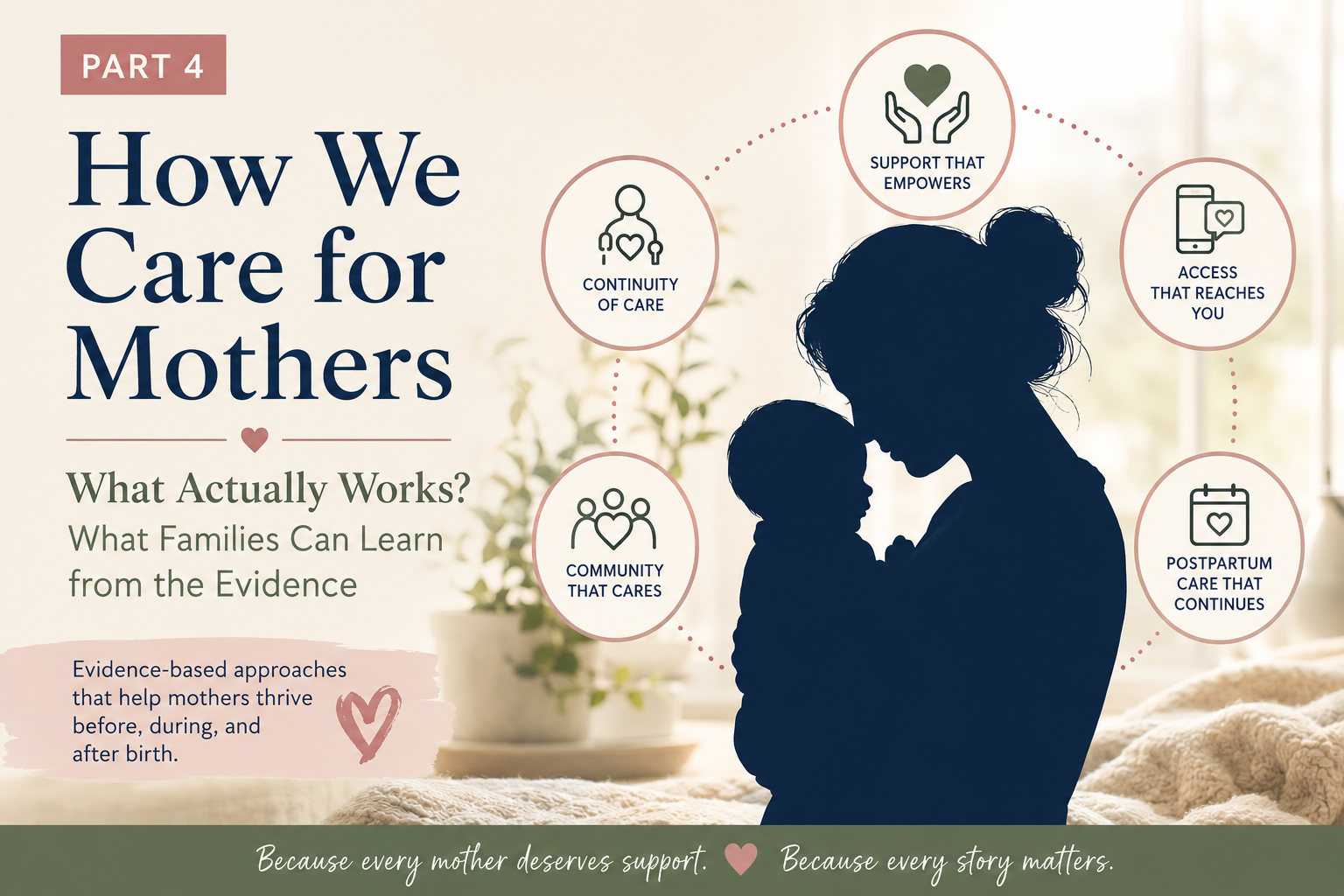
After exploring maternal health outcomes, funding programs, and healthcare policy, one question remains: What actually helps mothers and babies thrive? In Part 4 of the *How We Care for Mothers* series, we examine the evidence behind some of the most promising approaches, from community doulas and continuity of care to telehealth and expanded postpartum support, and what families can learn from them.
Blog
Read more
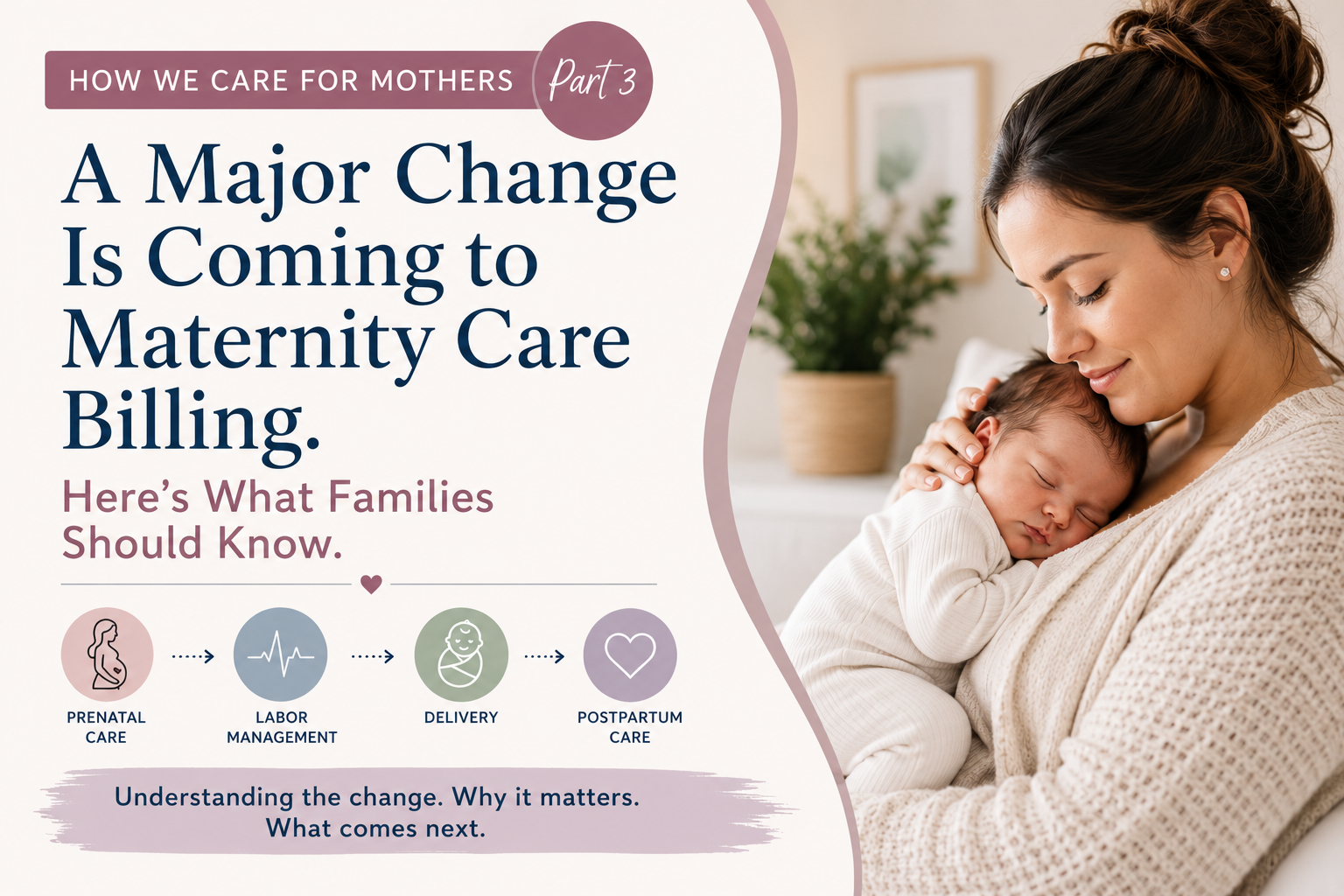
How We Care for Mothers Part 3: A Major Change Is Coming to Maternity Care Billing. Here’s What Families Should Know.
Most parents never think about medical billing during pregnancy. But a major change coming to maternity care in 2027 could influence how care is delivered, measured, and paid for. Here’s what families need to know.
Blog
Read more
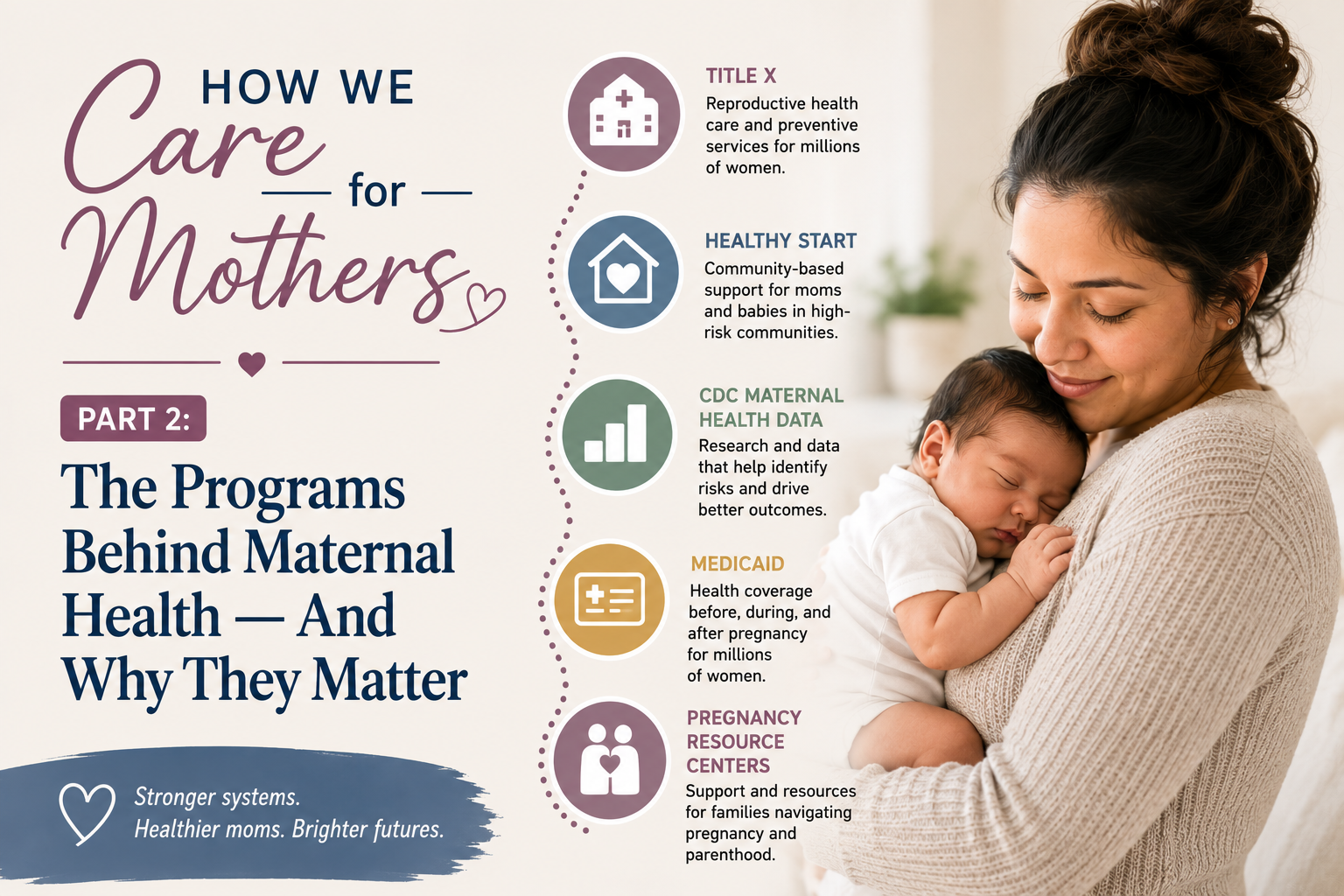
How We Care for Mothers Part 2: The Programs Behind Maternal Health — And Why They Matter
Most parents will never hear the names of the programs that help shape maternal healthcare in America. But from healthcare access to postpartum support, these initiatives influence the care women receive before, during, and after pregnancy. Here’s what they do—and why they matter.
Blog
Read more
How We Care for Mothers Part 1: The State of Maternal Health in America – What the Numbers Actually Tell Us
The United States spends more on healthcare than any other country in the world, yet maternal health outcomes continue to lag behind many high-income nations. Here’s what the numbers reveal about maternal mortality, disparities in care, and why every family should understand the state of maternal health in America.
Blog
Read more
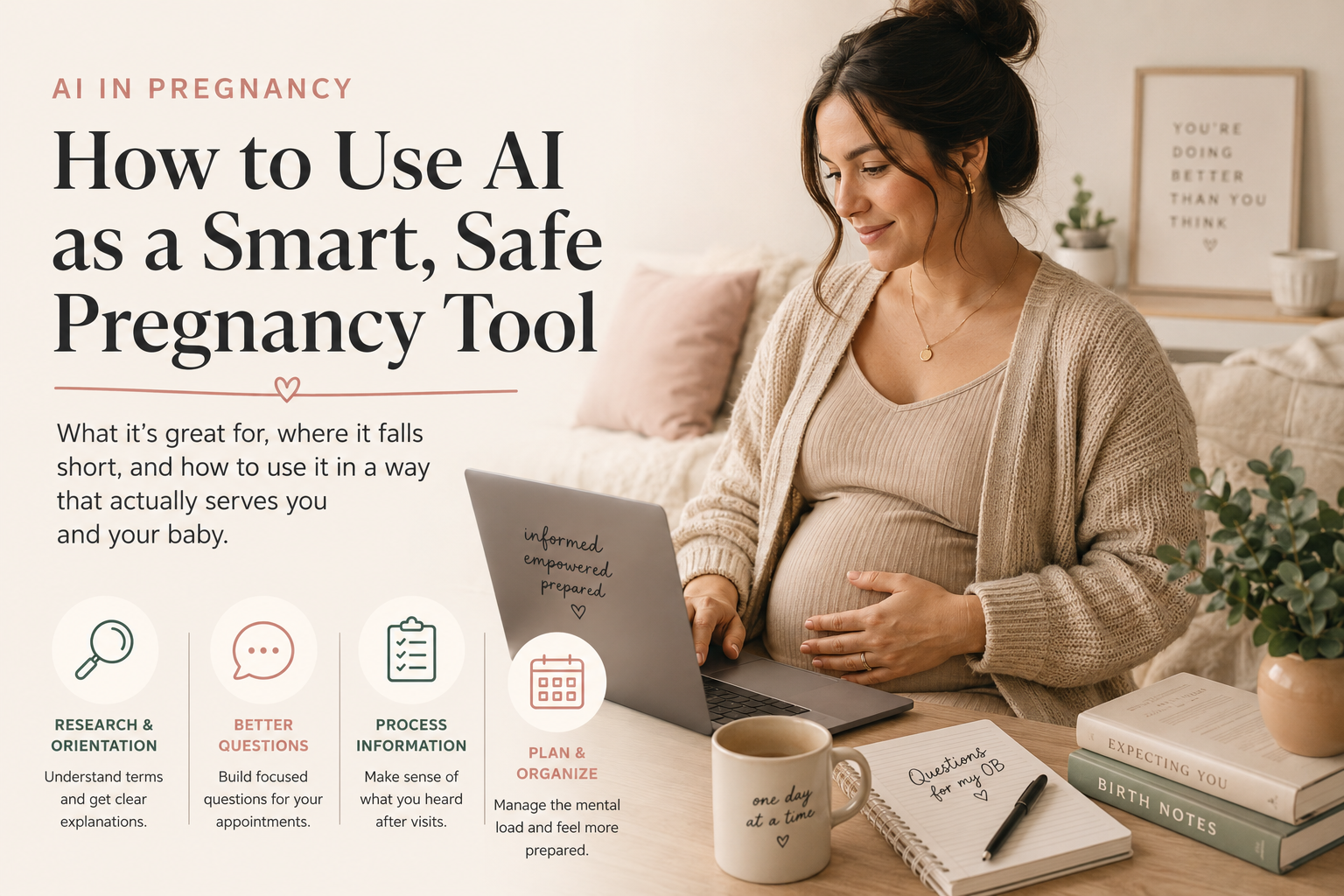
AI and Your Pregnancy: What It Can Do, What It Can’t, and How to Use It Wisely
You’re probably already using it. Maybe you typed your symptoms into ChatGPT at 2am when you couldn’t sleep. Maybe you asked it to explain what…
Blog
Read more
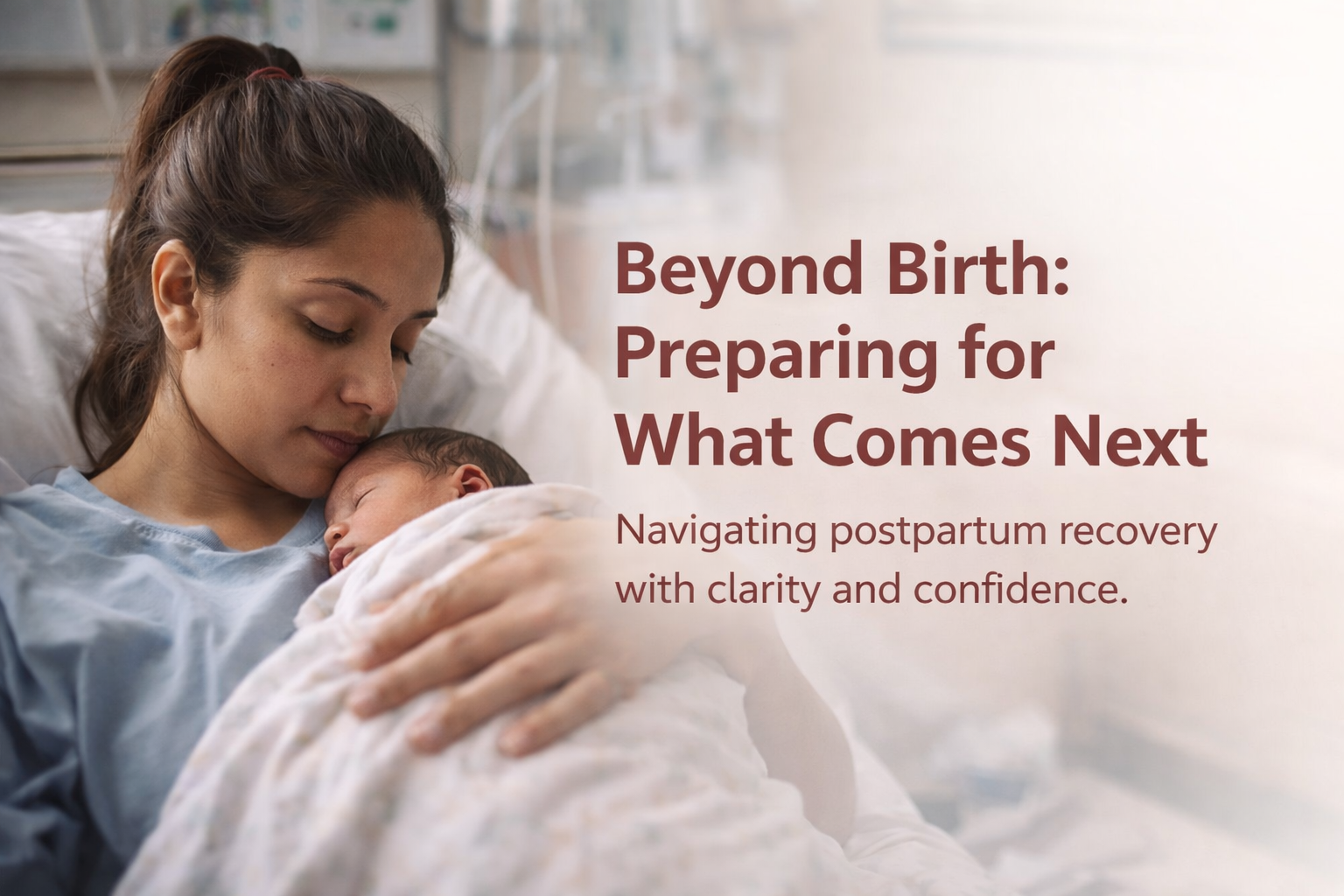
Preparing for Postpartum: What Every Woman Deserves to Know
Postpartum wellbeing is deeply influenced by physical recovery, including factors like blood loss and iron levels. Yet most preparation focuses on birth, not recovery. This article explores what women need to know to better understand and navigate the early postpartum period.
Blog
Read more
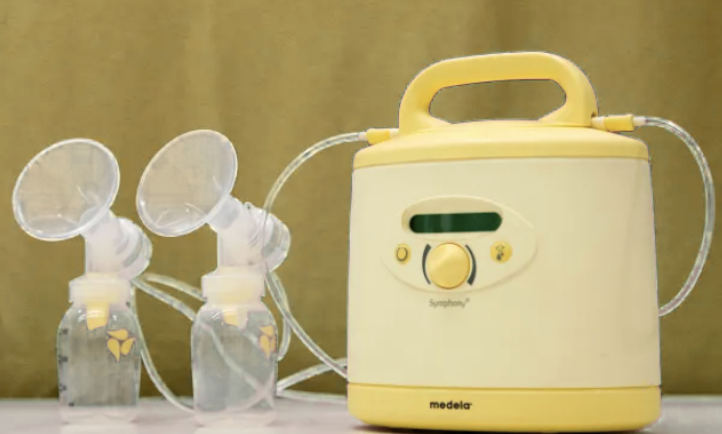
Should You Pump Right Away? Understanding the “Wait to Pump” Advice
If pumping can help build supply, why are so many parents told to wait? Here’s what’s really happening in those early days, and how to approach feeding in a way that supports both you and your baby.
Blog
Read more
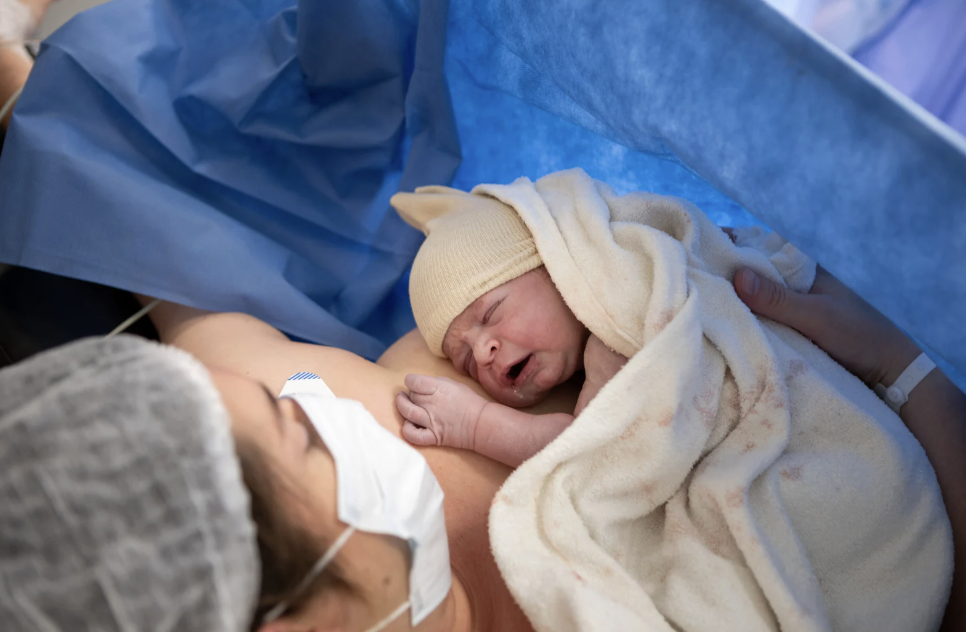
Why the “Golden Hour” After Birth Doesn’t Always Go as Planned
The “golden hour” after birth is known for its powerful benefits, but in real hospital settings, it doesn’t always go as planned. Here’s why that happens, what it means for you, and how to advocate for the experience you want.
Blog

Read more
Beyond ‘Breast Is Best’: How Breastfeeding Guidance Can Empower Instead of Pressure
Infant feeding is a deeply personal decision shaped by biology, mental health, work realities, cultural context, relationship dynamics, and lived experience. No two situations are the same.
When we treat breastfeeding as the only acceptable outcome rather than one well-supported option among several, we stop practicing patient-centered care. We start practicing a kind of soft coercion dressed up in clinical language, and the people on the receiving end know the difference, even when they can’t name it.